
Why study in Canada
Canada is one of the most popular destinations for Indian students, valued for globally ranked universities, comparatively affordable tuition, and a clear study-to-work-to-residency pathway. Institutions like the University of Toronto, McGill, UBC, McMaster, and Waterloo sit among the world's top universities, alongside a large network of applied colleges offering career-focused diplomas.
Bachelor's degrees usually run four years, master's programs one to two years, and PhDs four to six years. International undergraduate tuition averages around CAD $42,000 a year but ranges widely (roughly CAD $15,000–$45,000); postgraduate programs are generally cheaper, averaging about CAD $24,000. Colleges and diplomas are often the most affordable route.
Students can work up to 24 hours per week off-campus during terms and full-time during scheduled breaks, which helps offset living costs of roughly CAD $1,500–$2,500 a month. After graduating from an eligible institution, the Post-Graduation Work Permit lets you work in Canada for up to three years, and Canadian work experience can support permanent-residency applications.
- Main intake is September, with a secondary January intake and a limited May intake.
- A study permit requires proof of funds (currently about CAD $22,895 for living costs outside Quebec, plus tuition and travel) and, for most, a Provincial Attestation Letter.
3-year PGWP
Work for up to 3 years after graduating with a Post-Graduation Work Permit.
PR pathways
Study-to-PR routes make Canada a top choice for settling abroad.
Affordable
Lower tuition and living costs than the US or UK for comparable quality.
Key facts for Indian students
Postgrad tuition / yr
CAD $16,000–$40,000/yr
master's; the national average for international graduate students is about CAD $24,000, with MBAs higher
Undergrad tuition / yr
CAD $15,000–$45,000/yr
national average for international undergraduates is about CAD $42,000; varies widely by province and program
Living cost / month
CAD $1,500–$2,500/month
roughly CAD $18,000–$30,000/yr; higher in Toronto/Vancouver
Work while studying
Up to 24 hrs/week off-campus during academic terms
full-time (unlimited) during scheduled breaks like summer and winter holidays
Post-study work
Post-Graduation Work Permit (PGWP): 8 months up to 3 years, based on program length (2+ year programs and master's degrees can qualify for the full 3 years)
Requires an English/French test result and, for some applicants, a program tied to an in-demand field.
Main intakes
September (Fall, main intake), January (Winter), May (Summer/limited)
English (typical)
IELTS Academic 6.0–7.0 overall
commonly 6.5, with no band below 6.0 for many programs
Indicative ranges from official sources — your counsellor confirms exact costs, scholarships and entry requirements for your profile, free.
Scholarships for Canada
7 verified awards on Vibedu, each with its official link.

Vanier Canada Graduate Scholarships
Government (Destination) Fully funded Dates vary CAD 50,000 per year (3 years) Award Window not confirmed — check the official page Verified12 Aug 2026 Official source Details →Canada Graduate Research Scholarship – Master's
Government (Destination) Varies Dates vary CAD 27,000 for 12 months Award Window not confirmed — check the official page Verified12 Aug 2026 Official source Details →Study in Canada Scholarships
Government (Destination) Fully funded Dates vary CAD 10,200 for 4 months; CAD 14,000 for 5-6 month graduate study/research in 2026-27 scheme Award Window not confirmed — check the official page Verified12 Aug 2026 Official source Details →15 universities in Canada, grouped by how competitive admission is. A balanced shortlist mixes all three — your counsellor builds yours with you, free.
Ambitious universities in Canada
The most selective. Worth a place on your list when your grades and scores are strong — alongside safer choices, not instead of them.
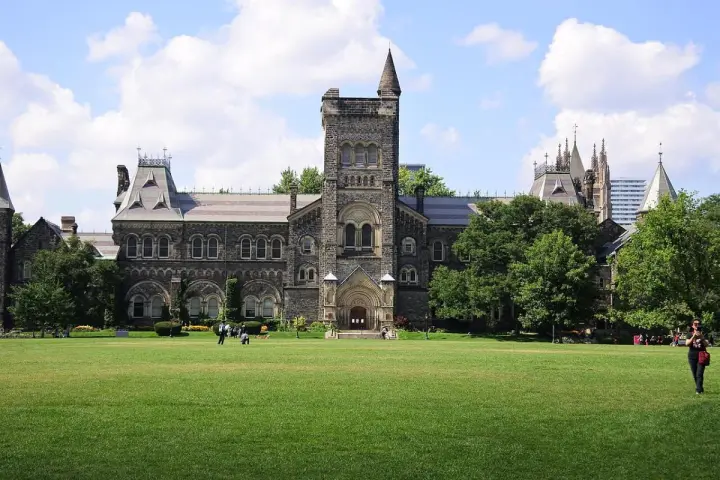

University of Toronto
THE #21 ~43% accept CAD73,760–CAD90,050/yrTuition · verified Sep, Jan, MayIntakes View university MC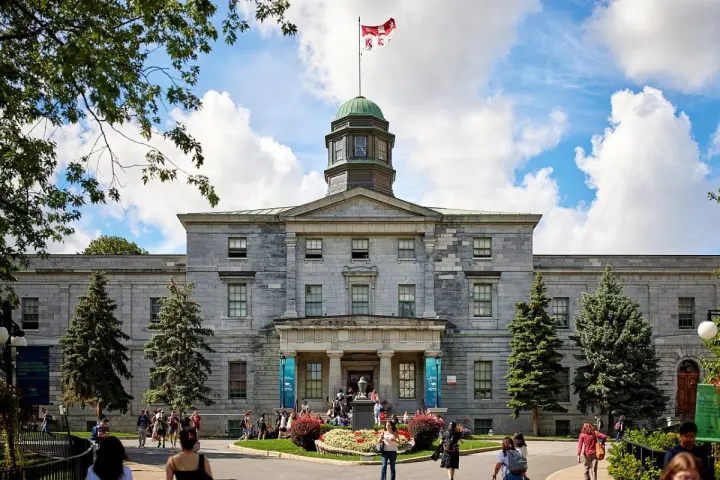
McGill University
CAD21,349–CAD77,600/yrTuition · verified Sep, Jan, MayIntakes View university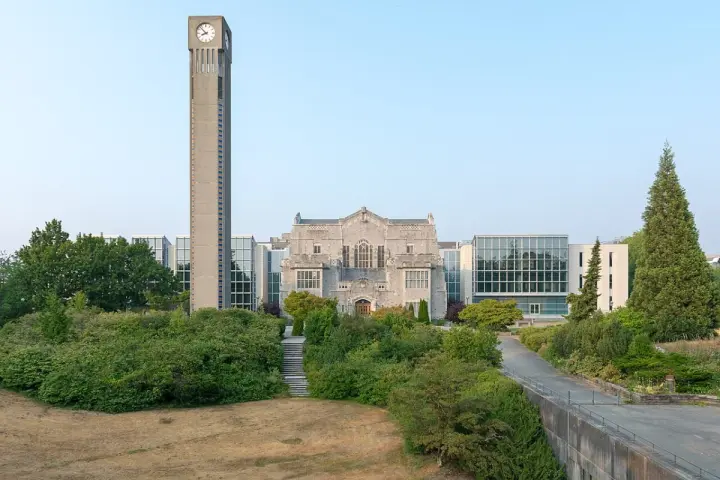

University of British Columbia
THE #41 ~52% accept CAD27,419–CAD72,534/yrTuition · verified Sep, Jan, MayIntakes View universityModerate universities in Canada
Well-regarded universities where a solid academic record gives you a realistic chance of an offer.
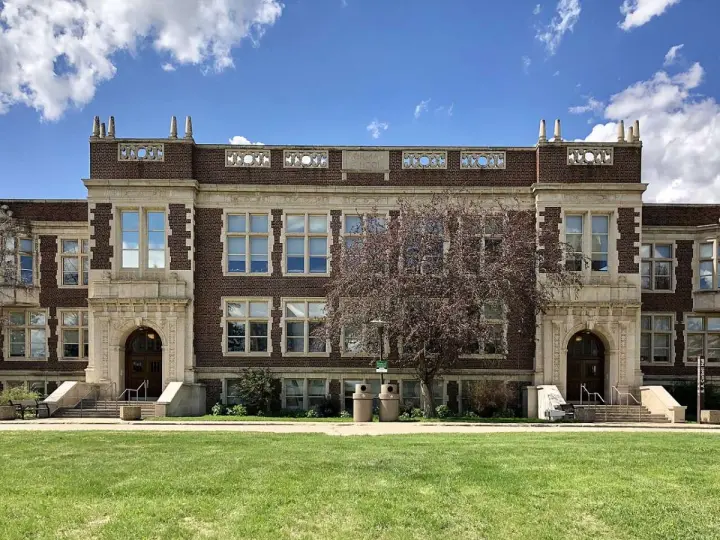

University of Alberta
University of Alberta is a public university in Edmonton, Canada. A solid profile has a realistic chance here. Sep, Jan, MayIntakes View university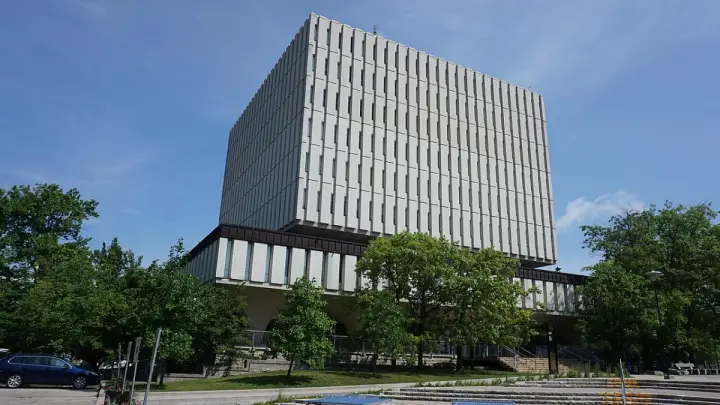

University of Waterloo
CAD23,088–CAD69,309/yrTuition · indicative Sep, Jan, MayIntakes View university WE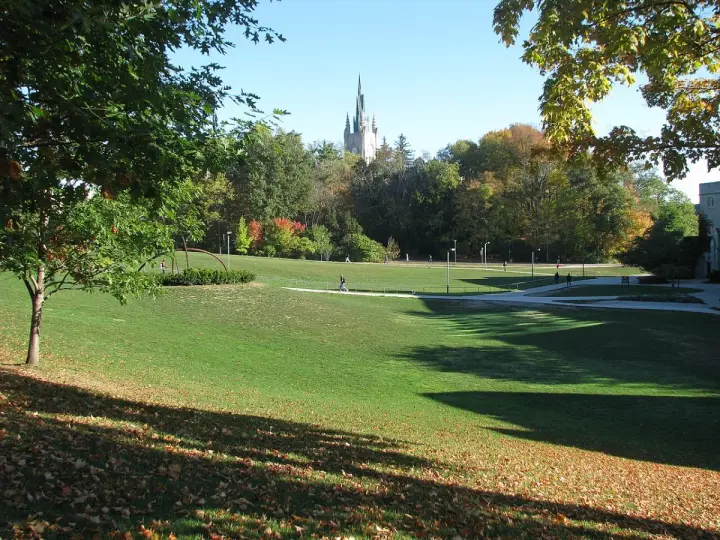
Western University
A well-established public research university in London, Ontario, known for its business (Ivey), health sciences and strong campus experience. Sep, Jan, MayIntakes View university MC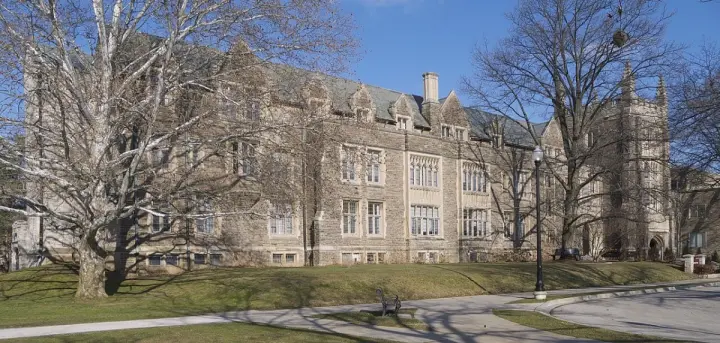
McMaster University
A research-intensive university in Hamilton, Ontario, well regarded for health sciences, medicine and its problem-based learning approach. Sep, Jan, MayIntakes View university QS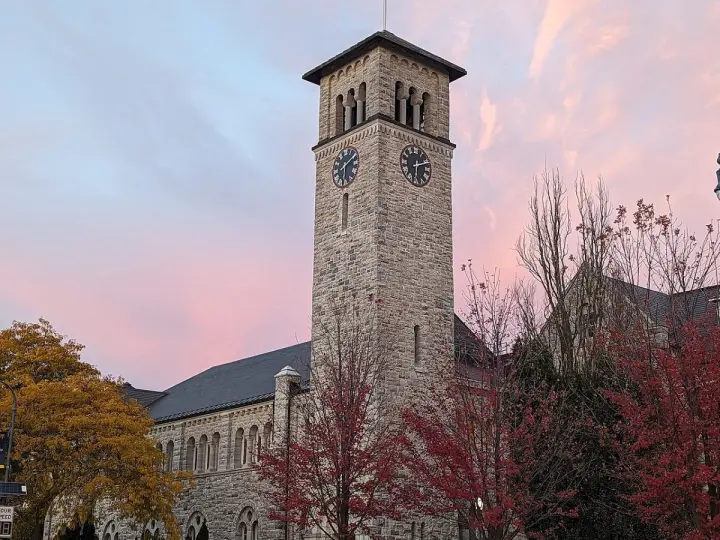
Queen's University
A historic public research university in Kingston, Ontario, respected for engineering, business, law and the sciences, with a strong residential… Sep, Jan, MayIntakes View universitySafe / Budget universities in Canada
Broader entry requirements — the dependable base of a balanced shortlist.
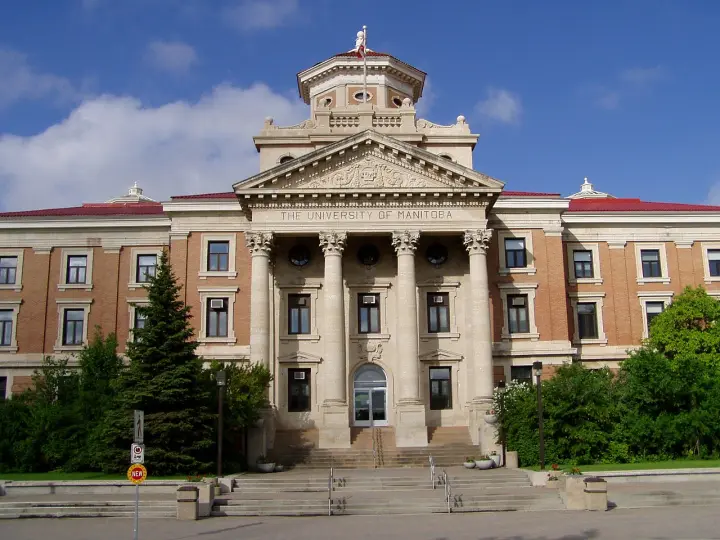
University of Manitoba
CAD14,373–CAD39,261/yrTuition · verified Sep, Jan, MayIntakes View university MN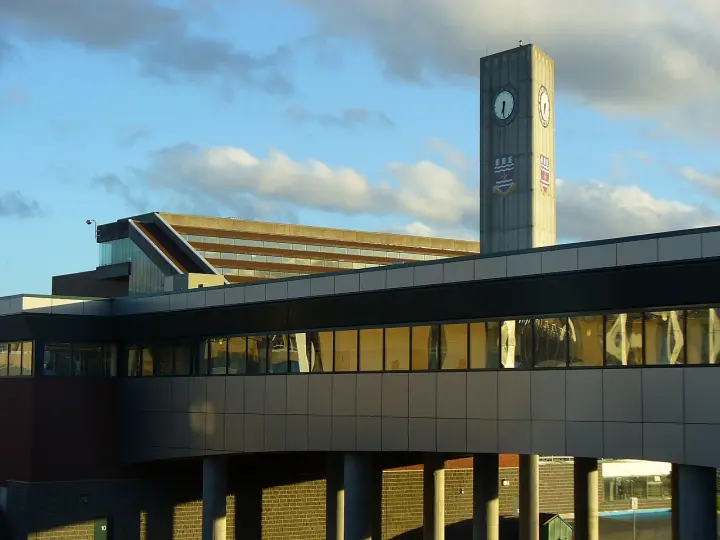
Memorial University of Newfoundland
CAD7,800–CAD26,936/yrTuition · verified Sep, Jan, MayIntakes View university RE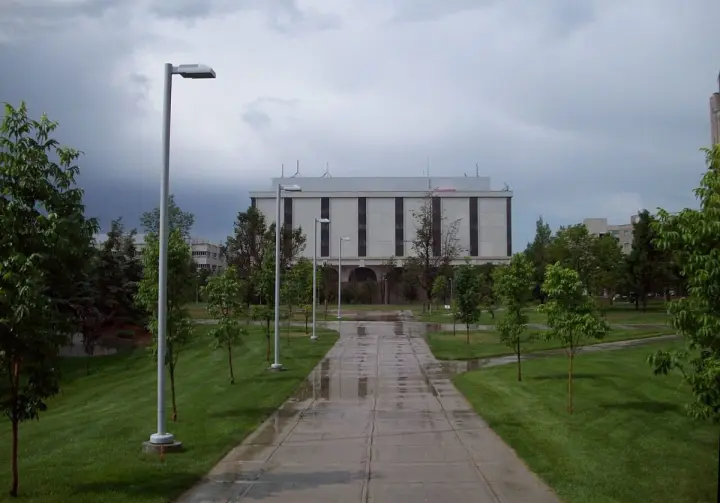
University of Regina
A public university in Regina, Saskatchewan, offering co-operative education and a range of undergraduate and graduate programs. Sep, Jan, MayIntakes View university CB
Cape Breton University
CAD21,495–CAD29,796/yrTuition · verified Sep, Jan, MayIntakes View university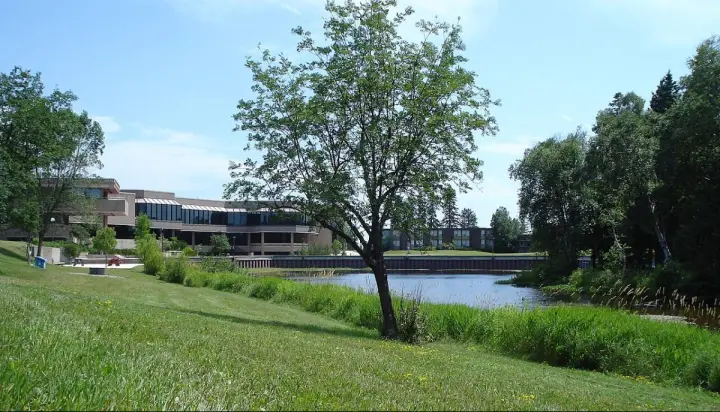

Lakehead University
CAD26,125/yrTuition · verified Sep, Jan, MayIntakes View university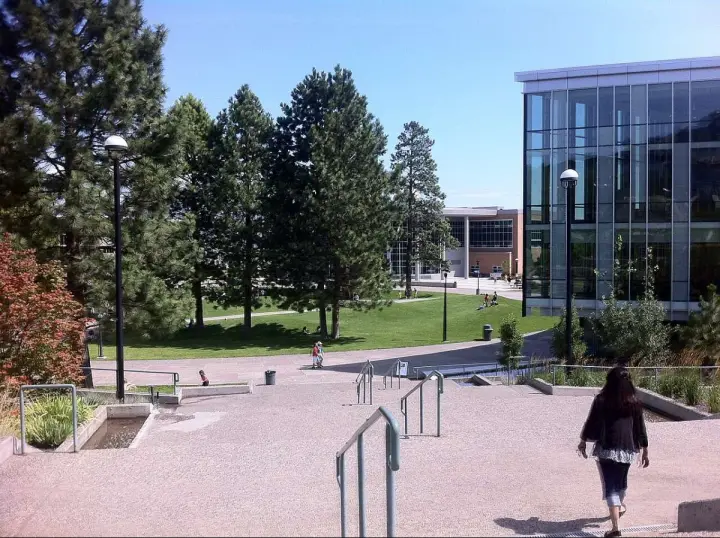

Thompson Rivers University
CAD23,118–CAD39,256/yrTuition · verified Sep, Jan, MayIntakes View university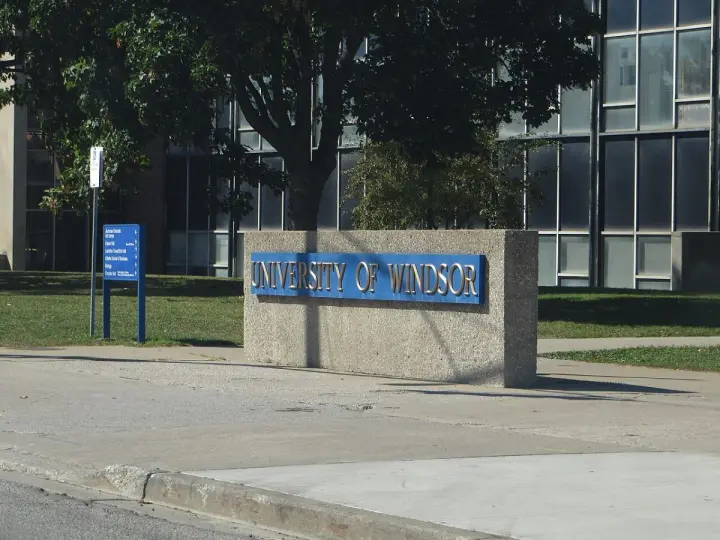

University of Windsor
University of Windsor is a public university in Windsor, Canada. A dependable option to anchor a shortlist, and usually among the more affordable. Sep, Jan, MayIntakes View universityCampus photos on this page: Ken Eckert (CC BY-SA 4.0) · D. Benjamin Miller (CC0 1.0) · Xicotencatl (CC BY-SA 4.0) · Viola-Ness (CC BY-SA 4.0) · JFVoll (CC BY-SA 4.0) · Better Than Bacon (CC BY 2.0) · JustSomePics (CC BY-SA 3.0) · Takipoint123 (CC BY-SA 4.0) · Unknown (see source) (CC BY-SA 3.0) · User:Neelix (Public domain) · Masalai at English Wikipedia (Public domain) · MPen92 (CC BY-SA 4.0) · Ryan Hodnett (CC BY-SA 4.0) · Pjbosco (CC BY-SA 3.0) · Ken Lund from Reno, Nevada, USA (CC BY-SA 2.0) — via Wikimedia Commons.
Popular courses in Canada

MSc Management
1 yr IELTS 6.5 6Universities offering this View course
MSc Computer Science
1–2 yrs IELTS 6.5 5Universities offering this View course
MBA — Master of Business Administration
1–2 yrs IELTS 6.5 4Universities offering this View course
MSc Business Analytics
1 yr IELTS 6.5 4Universities offering this View course
MSc Data Science
1–2 yrs IELTS 6.5 4Universities offering this View course
MSc Artificial Intelligence
1–2 yrs IELTS 6.5 2Universities offering this View courseIntakes
Sep, Jan, May
Tuition & scholarships
Confirmed for your profile — free
Compare Canada with…
Studying in Canada — FAQs
6 questions
Budget for tuition (roughly CAD $15,000–$45,000/yr depending on level and program) plus living costs of about CAD $18,000–$30,000 a year. For the study permit you must also show proof of funds — currently about CAD $22,895 for living expenses outside Quebec, on top of first-year tuition and travel.
As of September 1, 2025, a single applicant outside Quebec must show CAD $22,895 for living expenses for the first year, in addition to tuition and return travel. Many Indian students meet this through a Guaranteed Investment Certificate (GIC) plus education-loan or bank documents.
You can work up to 24 hours per week off-campus during academic terms and full-time (unlimited hours) during scheduled breaks such as summer and winter holidays. On-campus work has no hourly cap while classes are in session.
The Post-Graduation Work Permit (PGWP) lets you work in Canada after graduating from an eligible institution, for 8 months up to 3 years depending on your program length. Two-year programs and master's degrees can qualify for the full three years, and you'll need a valid English or French language test result.
September (Fall) is the largest intake with the widest choice of programs, followed by a January (Winter) intake and a smaller May (Summer) intake. Apply 8–12 months ahead to allow time for offers, GIC, and study-permit processing.
Popular choices include computer science and IT, data science, business and management, engineering, health sciences, and hospitality. Graduating in a field tied to Canada's in-demand occupations can also matter for some PGWP applicants, so check current IRCC eligibility.
Get your free Canada study plan
A counsellor calls you back during office hours — 9am to 8pm IST, Mon to Sat. We are open now.