Computer Science
Universität Siegen · Siegen, Europe
Duration
24 mo
Tuition
No tuition fee
sourcedIntake
Winter semester
English
—
Winter semester intake. Most universities admit on a rolling basis — we confirm the exact application deadline for your profile, free.
Course details verified 10 Sep 2026 — intakes, entry requirements and course facts · official source
Fee sourced Taken from the university's published fees page, not re-checked since — confirm it before you budget. See the university fees page.
About this programme
The study programme conveys expertise in key areas of computer science including theoretical foundations, practical skills, and application areas. This includes the areas of software engineering, information systems, databases, machine learning, communication, security, algorithms and programming. Students select a study focus (visual computing, embedded systems or complex and intelligent software systems) where students gain in-depth knowledge and can choose from a wide-ranging catalogue of modules. In addition, students acquire non-technical skills ranging from presentation techniques and teamwork to management and leadership skills. (1) Visual Computing: Visual computing comprises disciplines handling images and 3D models, i.e. computer vision, computer graphics, image processing, machine learning, visualisation, and virtual/augmented reality. Systems deal with the acquisition, processing, and analysis of visual information as well as the generation of images from data. Application areas include quality control, medical image processing, visualisation, autonomous robotics and multimedia systems. (2) Embedded Systems: Embedded systems include applications such as consumer electronics, industrial control, and transportation systems, which act as technology catalysts because of stringent timing and dependability requirements. The embedded systems market is expected to grow significantly over the next decade, and it is expected that many embedded systems will be connected to the Internet, form cyber-physical systems, and include embedded AI. (3) Complex and Intelligent Software Systems: This study focus covers the body of knowledge and core competences that build the foundation for all types of modern software systems. This includes techniques for software development and machine learning, software maintenance and evolution, software quality assurance, but also crucial social skills, modern project management, creative thinking and effective problem solving. In all study foci, students benefit from the close collaboration between electrical engineering and computer science and a tight link to research projects. For embedded systems, both disciplines contribute to courses on specific knowledge including key areas such as hardware/software design, computer architectures, real-time systems, dependability, security, operating systems, modelling and application areas (e.g. automotive, industrial control). In the context of visual computing, the tight link to sensor development is an essential added value, including key areas like face detection, online range data processing with range cameras such as the Kinect, and multimodal pattern recognition. The university participates in and leads research projects. Master's students are welcome to become involved in these projects and excellent students get the opportunity to pursue a PhD in one of these projects in Siegen. The Master's programme in Computer Science at the University of Siegen includes different types of modules and is structured as follows: 1. Four core modules (6 CP each). Choose from: Embedded Systems, Computer Architecture, Modelling and Animation, Parallel Processing, Algorithms, Advanced Logic, Software Engineering, Database Systems 2. Practical and research-oriented modules: Cutting Edge Research (6 CP), Scientific Working (including seminar, 9 CP), project work (15 CP) 3. Six specialised modules (6 CP each) 4. Master's thesis (30 CP) Core modules convey a broad spectrum of relevant topics for computer science including theoretical, practical and technical computer science. Practical modules convey basic practical skills such as capabilities in software and hardware development as well as practical activities that are close to future occupational areas. The practical modules establish key qualifications that are required for teamwork in typical projects of the information technology industry. Specialised modules convey profound scientific knowledge in the area of the
Intakes & deadlines
Winter semester
Dates confirmed for your profile · Open
Entry requirements
-
English
E.G. TOEFL iBT (since 2026): 4.5 Reading: 4.5 Listening: 4.5 Speaking: 4.5 Writing: 4.5 TOEFL iBT (before 2026): 88 Reading: 22 Listening: 22 Speaking: 22 Writing: 22 Cambridge English Qualifications: C1 Advanced IELTS Academic: 6.5
-
Prerequisites
Bachelor's degree in computer science or computer engineering. The responsible board of examiners will decide on the equivalence of degrees acquired at other higher education institutions or in other degree courses and on the suitability for the Master's programme.
-
Documents
SOP, LOR & Resume — generate them free in 2 minutes.
This is an indicative early-career range for the whole Computer Science / IT field in Europe, from official graduate-outcome data — not a figure for this programme or university, and not a guarantee of what you will earn. What you actually earn depends on the role, employer, city and your visa.
Source: get in IT (Gehaltsstatistik Informatik 2026), 2026. Market job-board data — less official than a government survey; treat as indicative.
Rupee figure converted at the 18 Aug 2026 mid-market rate; your bank's rate will be worse and currencies move, so use it for planning, not as the amount you will receive.
Fees & scholarships
No tuition fee tuition (sourced). We confirm the exact costs and the scholarships you qualify for at Universität Siegen — free, for your profile.
Other programmes at Universität Siegen
Chemistry
No tuition fee Tuition · sourced 2 years Duration View details SI Universität SiegenEconomic Policy (MSc)
No tuition fee Tuition · sourced 2 years Duration View details SI Universität SiegenElectrical Engineering (Electronics Design / Communication Engineering / Automation)
No tuition fee Tuition · sourced 2 years Duration View details SI Universität SiegenEuropean Master's in Embedded Intelligence Nanosystems Engineering (EMINENT)
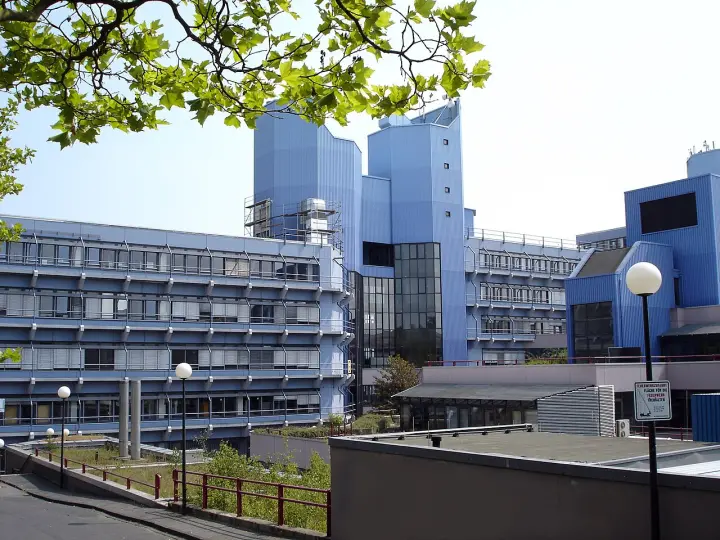
No tuition fee Tuition · sourced 2 years Duration View detailsCampus photos on this page: Bob Ionescu (Attribution) — via Wikimedia Commons.
Computer Science — FAQs
5 questions
Tuition is No tuition fee. Taken from the university's published fees page, not re-checked since — confirm it before you budget. We confirm the current fee and the scholarships you qualify for — free.
The main intake is Winter semester. Most universities admit on a rolling basis — we confirm the exact deadline for your profile, free.
Bachelor's degree in computer science or computer engineering. The responsible board of examiners will decide on the equivalence of degrees acquired at other higher education institutions or in other degree courses and on the suitability for the Master's programme. English: E.G. TOEFL iBT (since 2026): 4.5 Reading: 4.5 Listening: 4.5 Speaking: 4.5 Writing: 4.5 TOEFL iBT (before 2026): 88 Reading: 22 Listening: 22 Speaking: 22 Writing: 22 Cambridge English Qualifications: C1 Advanced IELTS Academic: 6.5.
The programme runs about 24 months full-time.
Yes — shortlisting, SOP, LOR, Resume, application, scholarships and visa guidance are all free. We're paid by partner universities, not by you.
Apply to Computer Science — free help
A counsellor calls you back during office hours — 9am to 8pm IST, Mon to Sat. We are open now.