
MSc Physical Geography: Environmental History
Universität Bremen · Bremen, Europe
Duration
24 mo
Tuition
No tuition fee
sourcedIntake
Winter semester
English
—
Winter semester intake. Most universities admit on a rolling basis — we confirm the exact application deadline for your profile, free.
Course details verified 10 Sep 2026 — intakes, entry requirements and course facts · official source
Fee sourced Taken from the university's published fees page, not re-checked since — confirm it before you budget. See the university fees page.
About this programme
The MSc "Physical Geography: Environmental History" focusses on the reconstruction of environmental and climatic history, as scientific expertise in this field is paramount today. The programme provides physical-geographical knowledge and skills that will enable students to analyse, interpret, and evaluate the complex effects of natural and anthropogenic environmental changes on nature and society. Global environmental changes are one of the biggest social, political, and cultural issues of the 21st century. In order to cope with their complexity, innovative and interdisciplinary approaches in teaching and research have been developed to qualify students for linking natural and anthropogenic phenomena. This Master's programme is unique in Germany. It includes courses in physical and human geography, archaeology, geosciences, paleobiology, and environmental physics. To ensure high academic quality and practical orientation, the programme draws on both expertise within the University of Bremen as well as on partnerships with regional scientific institutions in Bremen and Lower Saxony. All classes are taught in English. The first semester (introductory phase) takes into account the different levels of knowledge and provides basic courses in the form of compulsory lectures and seminars in the consecutive core subjects, which encompass the disciplines of climatology, environmental physics, geosciences, limnogeology, prehistoric archaeology, vegetation history, and archaeobotany. Students elect three out of six consecutive core subjects starting in the first semester and ending at the end of the second semester. Furthermore, computer-based analyses and visualisation techniques of spatio-temporal data and processes are conveyed. In the second semester (advanced study phase), the consecutive core subjects are continued. They are closely interconnected and consolidated by means of research-based and hands-on training, particularly in the framework of field and laboratory exercises. The third semester (individualisation phase) involves project work as well as additional electable modules with specialised lectures, exercises, and field trips in the disciplines of marine environmental archives, soil science, and regional environmental history. Students can combine these options with a study abroad or with an internship to gain a deeper insight into the research practice of environmental and climate reconstruction. Participation in ongoing research projects fosters an intensive interdisciplinary research experience and allows for the combination of the project module, the internship, and the final Master's thesis in a meaningful way. These options enable students to develop their own individually tailored study profile in order to support their intended professional careers. In the fourth semester (final phase), students work on their Master's theses. You will participate in interdisciplinary lectures, seminars, and projects. You will also gain experience through laboratory and field courses. Lecturers are leading experts in their respective fields and will provide you with information about up-to-date research questions. Thus, you will participate in ongoing research by working on your own projects while preparing your Master's thesis. PDF Download
Intakes & deadlines
Winter semester
Dates confirmed for your profile · Open
Entry requirements
-
English
E.G. TOEFL iBT Home Edition (since 2026): 4 Reading: 4 Listening: 4 Speaking: 4 Writing: 4 TOEFL iBT (before 2026): 72 Reading: 18 Listening: 17 Speaking: 20 Writing: 17 TOEIC: 785 Reading: 385 Listening: 400 Speaking: 160 Writing: 150 PTE Academic: 59 ISE (paper edition): ISE II Cambridge English Qualifications Business (BEC) : B2 Business Vantage IELTS Academic: 6 UNIcert® English: UNIcert® II
-
Prerequisites
Students holding a BSc degree in Geography with a focus on Physical Geography, in Geosciences or Earth Sciences with a focus on Sedimentology or Quaternary Geology, or in Archaeology with a focus on Geoarchaeology are welcome to apply. Subject-specific competencies through evidence of at least 27 CP in physical geography, quaternary geology and/or geoarchaeology courses are required. Admission requires a letter of motivation with a total length of 1,000 words, explaining your interests as well as your academic or professional background. In addition, a CV in tabular form and either a Bachelor's certificate and report or a preliminary transcript of records attesting at least 135 ECTS credits are mandatory. The Bachelor's certificate and report must be in English or German; certificates in other languages have to be translated. During the selection process following the application deadline, you can earn points based on the average of your grades, your letter of motivation, and the technical relation of your Bachelor's programme to this Master's programme. Depending on your score, a ranking is set up and applicants are selected accordingly. No responsibility is taken for the correctness of the admission requirements. Please be aware, that the requirements may change from year to year. For updated information, please visit http://www.uni-bremen.de/master.
-
Documents
SOP, LOR & Resume — generate them free in 2 minutes.
Fees & scholarships
No tuition fee tuition (sourced). We confirm the exact costs and the scholarships you qualify for at Universität Bremen — free, for your profile.
Other programmes at Universität Bremen
Applied Geosciences
No tuition fee Tuition · sourced 2 years Duration View details BR Universität BremenCommunication & Information Technology, MSc (CIT)
No tuition fee Tuition · sourced 2 years Duration View details BR Universität BremenControl, Microsystems, Microelectronics (CMM)
No tuition fee Tuition · sourced 2 years Duration View details BR Universität BremenDigital Media
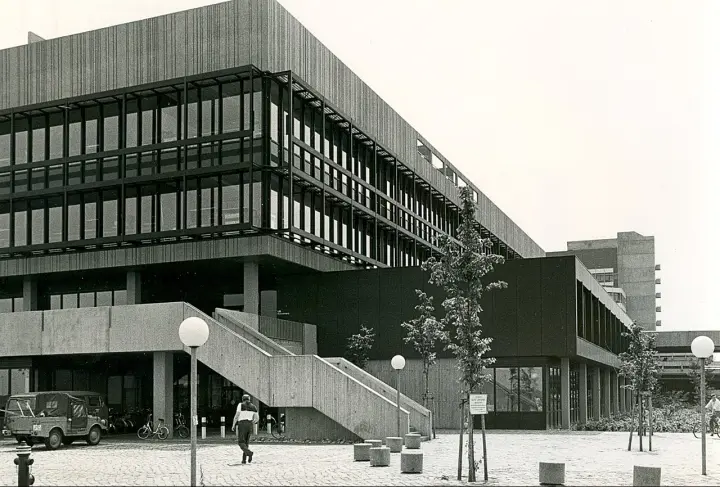
No tuition fee Tuition · sourced 2 years Duration View detailsCampus photos on this page: Roland Kutzki (CC BY-SA 3.0) — via Wikimedia Commons.
MSc Physical Geography: Environmental History — FAQs
5 questions
Tuition is No tuition fee. Taken from the university's published fees page, not re-checked since — confirm it before you budget. We confirm the current fee and the scholarships you qualify for — free.
The main intake is Winter semester. Most universities admit on a rolling basis — we confirm the exact deadline for your profile, free.
Students holding a BSc degree in Geography with a focus on Physical Geography, in Geosciences or Earth Sciences with a focus on Sedimentology or Quaternary Geology, or in Archaeology with a focus on Geoarchaeology are welcome to apply. Subject-specific competencies through evidence of at least 27 CP in physical geography, quaternary geology and/or geoarchaeology courses are required. Admission requires a letter of motivation with a total length of 1,000 words, explaining your interests as well as your academic or professional background. In addition, a CV in tabular form and either a Bachelor's certificate and report or a preliminary transcript of records attesting at least 135 ECTS credits are mandatory. The Bachelor's certificate and report must be in English or German; certificates in other languages have to be translated. During the selection process following the application deadline, you can earn points based on the average of your grades, your letter of motivation, and the technical relation of your Bachelor's programme to this Master's programme. Depending on your score, a ranking is set up and applicants are selected accordingly. No responsibility is taken for the correctness of the admission requirements. Please be aware, that the requirements may change from year to year. For updated information, please visit http://www.uni-bremen.de/master. English: E.G. TOEFL iBT Home Edition (since 2026): 4 Reading: 4 Listening: 4 Speaking: 4 Writing: 4 TOEFL iBT (before 2026): 72 Reading: 18 Listening: 17 Speaking: 20 Writing: 17 TOEIC: 785 Reading: 385 Listening: 400 Speaking: 160 Writing: 150 PTE Academic: 59 ISE (paper edition): ISE II Cambridge English Qualifications Business (BEC) : B2 Business Vantage IELTS Academic: 6 UNIcert® English: UNIcert® II.
The programme runs about 24 months full-time.
Yes — shortlisting, SOP, LOR, Resume, application, scholarships and visa guidance are all free. We're paid by partner universities, not by you.
Apply to MSc Physical Geography: Environmental History — free help
A counsellor calls you back during office hours — 9am to 8pm IST, Mon to Sat. We are closed right now, so your request is first in line when we reopen.