
Organismic and Molecular Biodiversity
Technische Universität Dresden · Dresden, Europe
Duration
24 mo
Tuition
No tuition fee
sourcedIntake
Winter semester
English
—
Winter semester intake. Most universities admit on a rolling basis — we confirm the exact application deadline for your profile, free.
Course details verified 10 Sep 2026 — intakes, entry requirements and course facts · official source
Fee sourced Taken from the university's published fees page, not re-checked since — confirm it before you budget. See the university fees page.
About this programme
Understanding and safeguarding biodiversity is one of the key challenges of our time. Thus, scientific and societal interest in biodiversity has been growing consistently, and novel methods in biodiversity science are continuously opening up new research avenues. However, the increased need for biodiversity research and monitoring is not matched by the availability of trained personnel. For this reason, the TU Dresden and Senckenberg offer a comprehensive Master’s programme that addresses both organismic and molecular aspects of biodiversity research. The inclusion of collection-based research as well as applied topics allow graduates to work in a variety of fields. Lectures are held at: Görlitz, Dresden and Zittau Compulsory core modules are: Systematics and Evolution of Plants, Fungi and Animals Applied Ecology Basic Molecular Approaches in Biodiversity Research Collecting and Analysing Biodiversity Data The programme is organised into three specialisations: The specialisation Species Diversity and Natural-History Collections offers courses on a uniquely broad range of taxa, covering their identification, ecology and treatment in natural-history collections. Teaching in museology, in particular in the communication of biodiversity topics, spans the bridge to society. The specialisation Evolution of Functional Biodiversity focusses on the structural diversity of organisms, including palaeontological aspects, to emphasise the evolutionary component. Possible applications in technology, architecture and design (bionics) are explored and again provide a link to society. The specialisation Molecular Biodiversity teaches how modern molecular and cytogenetic techniques can be used to trace the evolution, domestication and conservation of species. Courses address the effective design of molecular-biological experiments, as well as the generation and analysis of genetic, genomic and cytogenetic data. Additionally, courses can be chosen from a general elective area. PDF Download
Intakes & deadlines
Winter semester
Dates confirmed for your profile · Open
Entry requirements
-
English
E.G. TOEFL iBT Home Edition (since 2026): 4.5 Reading: 4.5 Listening: 4.5 Speaking: 4.5 Writing: 4.5 TOEFL iBT Home Edition (before 2026): 80 Reading: 20 Listening: 20 Speaking: 20 Writing: 20 IELTS Academic: 6
-
Prerequisites
Bachelor's degree (or equivalent) in biology or related life or environmental sciences with relation to biodiversity
-
Documents
SOP, LOR & Resume — generate them free in 2 minutes.
Fees & scholarships
No tuition fee tuition (sourced). We confirm the exact costs and the scholarships you qualify for at Technische Universität Dresden — free, for your profile.
Other programmes at Technische Universität Dresden
AI, Regulatory Affairs & Transformation in Medical Technology (MBA)
€4,170/yr Tuition · sourced 2 years Duration View details TD Technische Universität DresdenAir Transport and Logistics
No tuition fee Tuition · sourced 2 years Duration View details TD Technische Universität DresdenBiochemistry
No tuition fee Tuition · sourced 2 years Duration View details TD Technische Universität DresdenChemistry
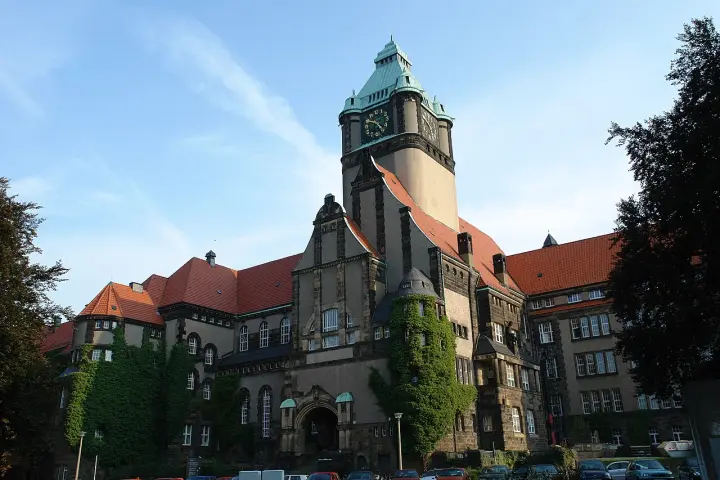
No tuition fee Tuition · sourced 2 years Duration View detailsCampus photos on this page: Hullbr3ach (CC BY-SA 2.5) — via Wikimedia Commons.
Organismic and Molecular Biodiversity — FAQs
5 questions
Tuition is No tuition fee. Taken from the university's published fees page, not re-checked since — confirm it before you budget. We confirm the current fee and the scholarships you qualify for — free.
The main intake is Winter semester. Most universities admit on a rolling basis — we confirm the exact deadline for your profile, free.
Bachelor's degree (or equivalent) in biology or related life or environmental sciences with relation to biodiversity English: E.G. TOEFL iBT Home Edition (since 2026): 4.5 Reading: 4.5 Listening: 4.5 Speaking: 4.5 Writing: 4.5 TOEFL iBT Home Edition (before 2026): 80 Reading: 20 Listening: 20 Speaking: 20 Writing: 20 IELTS Academic: 6.
The programme runs about 24 months full-time.
Yes — shortlisting, SOP, LOR, Resume, application, scholarships and visa guidance are all free. We're paid by partner universities, not by you.
Apply to Organismic and Molecular Biodiversity — free help
A counsellor calls you back during office hours — 9am to 8pm IST, Mon to Sat. We are open now.