
Solar System Physics (SSP)
Technische Universität Braunschweig · Braunschweig, Europe
Duration
24 mo
Tuition
No tuition fee
sourcedIntake
Winter semester
English
—
Winter semester intake. Most universities admit on a rolling basis — we confirm the exact application deadline for your profile, free.
Course details verified 09 Sep 2026 — intakes, entry requirements and course facts · official source
Fee sourced Taken from the university's published fees page, not re-checked since — confirm it before you budget. See the university fees page.
About this programme
STUDY SSP AND EXPLORE THE INFINITE VASTNESS OF SPACE Exploring the solar system has always been one of mankind’s most fascinating endeavours, and it continues to pose great challenges. Scientists today study celestial bodies with the aid of modern ground- and space-based telescopes and use probes that venture deep into space. To successfully collect data about our solar system, these space missions rely on countless, highly sophisticated technologies. To further the continuous advancement of these technologies and the invention of new ones, an in-depth understanding of the physics of our solar system is required. The Master’s programme in Solar System Physics prepares students for this challenge. WHAT IS SPECIAL ABOUT TU BRAUNSCHWEIG? TU Braunschweig’s Master’s programme in Solar System Physics is the only one of its kind in Germany. It offers you the chance to study the physics of our solar system and to qualify for a future career in the aerospace industry or in exploring planetary bodies. The programme perfectly complements the focus on Space Physics and Technology in TU Braunschweig’s Physics Department. STRUCTURE OF THE SSP MASTER’S PROGRAMME The two-year, consecutive Master’s programme in Solar System Physics has a strong focus on research and is a full-time, attendance-based programme. With English as the language of instruction, this programme is an ideal way to prepare yourself for the global job and science market and for networking with international colleagues. You will have the chance to acquire in-depth specialist knowledge in the field of solar system physics, including, for example, the formation and evolution of planetary systems, the sun and its heliosphere, planetary surfaces, and the internal structure and processes of planets as well as the atmospheres and magnetospheres of planetary bodies. Step by step, you will become familiar with innovative work methods in research and science and practice hands-on, problem-solving techniques. With a final thesis completed over the course of eight months, students will demonstrate the ability to independently investigate a subject-specific issue by applying scientific work methods. First year: In-depth specialisation Deepening and practical application of knowledge acquired during the Bachelor’s programme Physics and evolution of the solar system and its planetary bodies Hands-on training (laboratory, simulations and data analysis) Transition to the second year of studies Acquisition of a broader knowledge base and instrumental skills in a multidisciplinary context Special courses module Specialisation in sub-sections of solar system physics Expansion of interdisciplinary knowledge in areas chosen by the student Scientific Key Qualifications module Scientific programming Scientific communication Second year: Research phase Literature Research module: Systems thinking and other communication skills Research Internship module: Practical scientific and/or research work Master’s Thesis module: Completion of largely independent research projects For detailed information about the contents of this study programme, please see the programme-specific part of the university’s examination regulations.
Intakes & deadlines
Winter semester
Dates confirmed for your profile · Open
Summer semester
Dates confirmed for your profile · Open
Entry requirements
-
English
E.G. TOEFL iBT (before 2026): 88 Reading: 18 Listening: 17 Speaking: 20 Writing: 17 IELTS Academic: 6.5
-
Prerequisites
You can apply for the Master’s programme in Solar System Physics if you have a Bachelor’s degree in physics or a closely related field.
-
Documents
SOP, LOR & Resume — generate them free in 2 minutes.
Fees & scholarships
No tuition fee tuition (sourced). We confirm the exact costs and the scholarships you qualify for at Technische Universität Braunschweig — free, for your profile.
Other programmes at Technische Universität Braunschweig
Artificial Intelligence for Molecular Sciences
No tuition fee Tuition · sourced 2 years Duration View details TB Technische Universität BraunschweigBattery and Hydrogen Technology
No tuition fee Tuition · sourced 2 years Duration View details TB Technische Universität BraunschweigCommunications Engineering and Data Science (CoDaS)
€8,000/yr Tuition · sourced 2 years Duration View details TB Technische Universität BraunschweigComputational Sciences in Engineering (CSE)
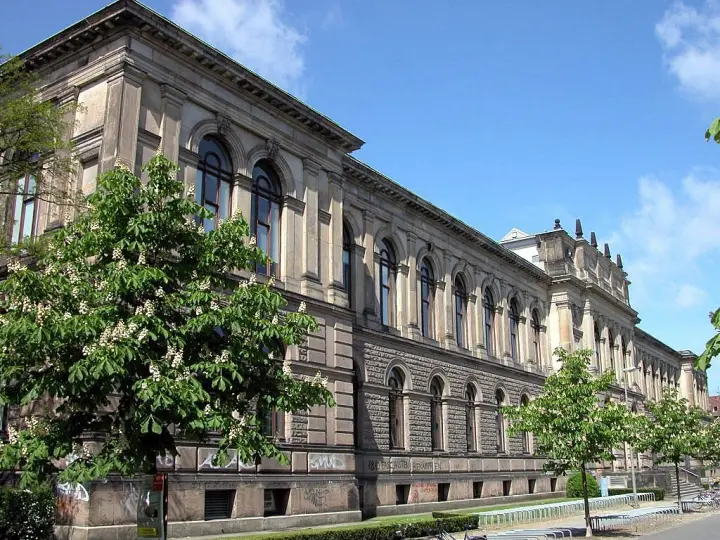
No tuition fee Tuition · sourced 2 years Duration View detailsCampus photos on this page: Brunswyk (CC BY-SA 3.0) — via Wikimedia Commons.
Solar System Physics (SSP) — FAQs
5 questions
Tuition is No tuition fee. Taken from the university's published fees page, not re-checked since — confirm it before you budget. We confirm the current fee and the scholarships you qualify for — free.
The main intake is Winter semester. Most universities admit on a rolling basis — we confirm the exact deadline for your profile, free.
You can apply for the Master’s programme in Solar System Physics if you have a Bachelor’s degree in physics or a closely related field. English: E.G. TOEFL iBT (before 2026): 88 Reading: 18 Listening: 17 Speaking: 20 Writing: 17 IELTS Academic: 6.5.
The programme runs about 24 months full-time.
Yes — shortlisting, SOP, LOR, Resume, application, scholarships and visa guidance are all free. We're paid by partner universities, not by you.
Apply to Solar System Physics (SSP) — free help
A counsellor calls you back during office hours — 9am to 8pm IST, Mon to Sat. We are open now.