Microelectronics Engineering: Electrical Engineering and Information Technology
Technische Universität Braunschweig · Braunschweig, Europe
Duration
24 mo
Tuition
No tuition fee
sourcedIntake
Winter semester
English
—
Winter semester intake. Most universities admit on a rolling basis — we confirm the exact application deadline for your profile, free.
Course details verified 09 Sep 2026 — intakes, entry requirements and course facts · official source
Fee sourced Taken from the university's published fees page, not re-checked since — confirm it before you budget. See the university fees page.
About this programme
BECOME A MICROELECTRONICS ENGINEER AND BE PART OF THE MOST IMPACTFUL DEVELOPMENTS IN TECHNOLOGY Microelectronics Engineering is not only already one of the pillars of our modern world, but also the key to the future of technology. Just in 2025, Germany proclaimed microelectronics engineering as one of only six key enabling technologies in the national High-Tech Agenda, underlining the strategic goal of Germany and Europe to re-establish a strong ecosystem in microelectronics. Become part of this development and take the chance to dive into microelectronics at TU Braunschweig! The specialisation in “Microelectronics Engineering” is part of the Master’s degree programme in “Electrical Engineering” at TU Braunschweig, and it provides a broad insight into fascinating quantum technologies, including both silicon CMOS as well as Gallium Nitride-based microelectronics and photonics. WHAT IS SPECIAL ABOUT TU BRAUNSCHWEIG? TU Braunschweig has established an internationally visible centre for microelectronics, the Nitride Technology Center (NTC) together with its regional partners Leibniz Universität Hannover and Physikalisch-Technische Bundesanstalt Braunschweig (PTB), the second largest national metrology institute worldwide. NTC is a well-known hub for technology exchange between academia, start-ups and industry. With the “Microelectronics Engineering” specialisation, you will become a part of this network and get a sound introduction to microelectronics, including front-end and back-end chip processing as well as chip design. Discover both, the world of silicon as well as Gallium Nitride technology in a hands-on fashion. Our strong ecosystem in microelectronics offers an early contact to the global microelectronics industry as well as regional start-ups, giving you ideal starting conditions for your professional career. The study programme in "Electrical Engineering and Information Technology" (70 credits) consists of: Compulsory module (5 credits) Specialisation Microelectronics Engineering: Compulsory elective modules (10-15 credits) and Elective modules (20-25 credits) Minor elective modules (20-25 credits) Labs (10 credits) Professionalisation (20 credits) Final module: Master’s thesis and presentation (30 credits)
Intakes & deadlines
Winter semester
Dates confirmed for your profile · Open
Summer semester
Dates confirmed for your profile · Open
Entry requirements
-
English
E.G. TOEFL iBT (before 2026): 88 IELTS Academic: 6.5
-
Prerequisites
Please find admission requirements here: https://www.tu-braunschweig.de/en/eitp/electrical-engineering-master.
-
Documents
SOP, LOR & Resume — generate them free in 2 minutes.
This is an indicative early-career range for the whole Engineering (general) field in Europe, from official graduate-outcome data — not a figure for this programme or university, and not a guarantee of what you will earn. What you actually earn depends on the role, employer, city and your visa.
Source: Profiling Institut - Gehaltsranking nach Studienfach 2026 (StepStone Gehaltsreport 2026), 2026. Market job-board data — less official than a government survey; treat as indicative.
Rupee figure converted at the 18 Aug 2026 mid-market rate; your bank's rate will be worse and currencies move, so use it for planning, not as the amount you will receive.
Fees & scholarships
No tuition fee tuition (sourced). We confirm the exact costs and the scholarships you qualify for at Technische Universität Braunschweig — free, for your profile.
Other programmes at Technische Universität Braunschweig
Artificial Intelligence for Molecular Sciences
No tuition fee Tuition · sourced 2 years Duration View details TB Technische Universität BraunschweigBattery and Hydrogen Technology
No tuition fee Tuition · sourced 2 years Duration View details TB Technische Universität BraunschweigCommunications Engineering and Data Science (CoDaS)
€8,000/yr Tuition · sourced 2 years Duration View details TB Technische Universität BraunschweigComputational Sciences in Engineering (CSE)
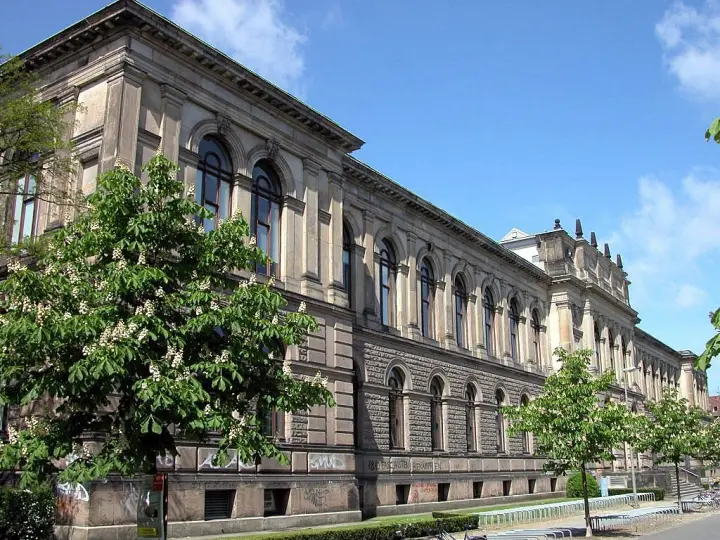
No tuition fee Tuition · sourced 2 years Duration View detailsCampus photos on this page: Brunswyk (CC BY-SA 3.0) — via Wikimedia Commons.
Microelectronics Engineering: Electrical Engineering and Information Technology — FAQs
5 questions
Tuition is No tuition fee. Taken from the university's published fees page, not re-checked since — confirm it before you budget. We confirm the current fee and the scholarships you qualify for — free.
The main intake is Winter semester. Most universities admit on a rolling basis — we confirm the exact deadline for your profile, free.
Please find admission requirements here: https://www.tu-braunschweig.de/en/eitp/electrical-engineering-master. English: E.G. TOEFL iBT (before 2026): 88 IELTS Academic: 6.5.
The programme runs about 24 months full-time.
Yes — shortlisting, SOP, LOR, Resume, application, scholarships and visa guidance are all free. We're paid by partner universities, not by you.
Apply to Microelectronics Engineering: Electrical Engineering and Information Technology — free help
A counsellor calls you back during office hours — 9am to 8pm IST, Mon to Sat. We are open now.