
Master of Arts in Peace and Conflict Studies
Otto-von-Guericke-Universität Magdeburg · Magdeburg, Europe
Duration
24 mo
Tuition
No tuition fee
sourcedIntake
Winter semester
English
—
Winter semester intake. Most universities admit on a rolling basis — we confirm the exact application deadline for your profile, free.
Course details verified 10 Sep 2026 — intakes, entry requirements and course facts · official source
Fee sourced Taken from the university's published fees page, not re-checked since — confirm it before you budget. See the university fees page.
About this programme
The aim of the study programme is the interactive communication of knowledge about theories and methods of peace and conflict studies. On this basis, students acquire skills and expertise in the analysis of social and political contexts. The curriculum is focused on approaches that interrogate the causes of violent conflicts and make way for possibilities of transforming these conflicts. It is also focused on the investigation of tangible experiences of peaceful cohabitation and opportunities for the stabilisation and enhancement of non-violent conflict resolution mechanisms. The Peace and Conflict Studies programme focuses on the acquisition of theoretical and methodological skills from various disciplines; on the transfer of knowledge about different concepts, institutions, and instruments of peacebuilding, conflict transformation, and human rights policies; and on the development of analytical and practical skills in constructive conflict management. The programme is designed to enable students to closely analyse complex conflicts from different perspectives; to evaluate political strategies and ongoing projects in the fields of security, peacebuilding, and human rights; and to propose alternative methods of conflict resolution. Having finished this programme, students know how international organisations function and how peaceful forms of politics can be re-established in contexts once ruled by overt violence. Also, students learn about the means and ends of human rights policies in national and international contexts. Furthermore, they are able to develop constructive strategies to overcome stalemates in social conflicts by analysing their causes and discussing different options of solutions. The Peace and Conflict Studies programme in Magdeburg is characterised by a multidisciplinary approach that incorporates not only traditional theories of international relations but also psychological, sociological, anthropological and linguistic components. This allows graduates to assess conflicts from a variety of important perspectives. However, far from advancing a purely additive attainment of knowledge, the lecturers of the programme particularly aim at conveying methodological expertise. With regard to a future position in relevant occupational fields, the programme thus endeavours to foster the necessary theoretical aptitude as well as practical capacities. In order to acquire these skills, students are familiarised with socio-scientific methods of investigation as well as with political decision-making processes and mediation techniques that they practise in contexts such as operational simulations and conflict-management seminars. An internship in a pertinent institution is also part of the course. The programme comprises the following modules: 1: Theories & Approaches of Peace and Conflict Studies The module is composed of two parts: a lecture and an associated tutorial. The lecture provides an overview of key theories and approaches in national and international Peace and Conflict Studies, illustrated with current research. 2: Concepts of Securing Peace This module deals with scientific concepts of securing peace, the advancement of human rights, and democracy and includes reflections on the use of coercive military measures. 3: Conflict Analysis & Theories of Conflict Management The module is composed of two parts: a seminar on Conflict Analysis and a seminar or a lecture on Conflict Management. In the latter, students gain a broad overview of central terms, approaches, and assumptions within the theoretical field of conflict management (i.e. conflict resolution & conflict transformation). 4: Applied Conflict Management This module includes practical elements. Students gain insight into the methods of conducting negotiation, mediation, and moderation, as well as related communication strategies, political planning and consultations. 5: Methods The module comprises a seminar and a compulsory tutorial. Students can choos
Intakes & deadlines
Winter semester
Dates confirmed for your profile · Open
Entry requirements
-
English
E.G. telc English: telc English C1 PTE Academic: 76 TOEFL iBT Home Edition (since 2026): 5 Reading: 5 Listening: 5 Speaking: 5 Writing: 5 TOEFL iBT Home Edition (before 2026): 95 Reading: 24 Listening: 22 Speaking: 25 Writing: 24 TOEFL iBT (since 2026): 5 Reading: 5 Listening: 5 Speaking: 5 Writing: 5 TOEFL iBT (before 2026): 95 Reading: 24 Listening: 22 Speaking: 25 Writing: 24 IELTS Academic: 7 Cambridge English Qualifications: C1 Advanced UNIcert® English: UNIcert® III
-
Prerequisites
Bachelor of Arts or comparable university degree with at least 30 ECTS in social science and above average grades
-
Documents
SOP, LOR & Resume — generate them free in 2 minutes.
Fees & scholarships
No tuition fee tuition (sourced). We confirm the exact costs and the scholarships you qualify for at Otto-von-Guericke-Universität Magdeburg — free, for your profile.
Other programmes at Otto-von-Guericke-Universität Magdeburg
AI and Engineering for Medical Applications (MSc)
€4,165/yr Tuition · sourced 2 years Duration View details OVG Otto-von-Guericke-Universität MagdeburgBiomechanical Engineering (BiME)
No tuition fee Tuition · sourced 2 years Duration View details OVG Otto-von-Guericke-Universität MagdeburgChemical and Energy Engineering
No tuition fee Tuition · sourced 2 years Duration View details OVG Otto-von-Guericke-Universität MagdeburgComputational Methods in Engineering (CoME)
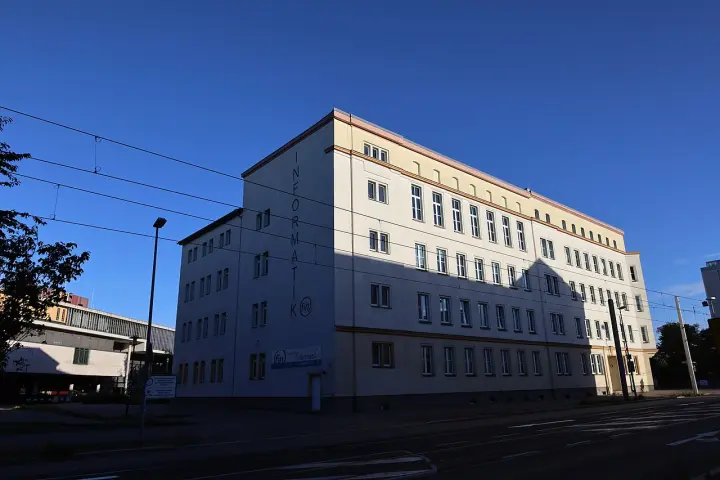
No tuition fee Tuition · sourced 2 years Duration View detailsCampus photos on this page: Roy Zuo (CC BY-SA 4.0) — via Wikimedia Commons.
Master of Arts in Peace and Conflict Studies — FAQs
5 questions
Tuition is No tuition fee. Taken from the university's published fees page, not re-checked since — confirm it before you budget. We confirm the current fee and the scholarships you qualify for — free.
The main intake is Winter semester. Most universities admit on a rolling basis — we confirm the exact deadline for your profile, free.
Bachelor of Arts or comparable university degree with at least 30 ECTS in social science and above average grades English: E.G. telc English: telc English C1 PTE Academic: 76 TOEFL iBT Home Edition (since 2026): 5 Reading: 5 Listening: 5 Speaking: 5 Writing: 5 TOEFL iBT Home Edition (before 2026): 95 Reading: 24 Listening: 22 Speaking: 25 Writing: 24 TOEFL iBT (since 2026): 5 Reading: 5 Listening: 5 Speaking: 5 Writing: 5 TOEFL iBT (before 2026): 95 Reading: 24 Listening: 22 Speaking: 25 Writing: 24 IELTS Academic: 7 Cambridge English Qualifications: C1 Advanced UNIcert® English: UNIcert® III.
The programme runs about 24 months full-time.
Yes — shortlisting, SOP, LOR, Resume, application, scholarships and visa guidance are all free. We're paid by partner universities, not by you.
Apply to Master of Arts in Peace and Conflict Studies — free help
A counsellor calls you back during office hours — 9am to 8pm IST, Mon to Sat. We are open now.