Master of Science in Sustainability, Society and the Environment
Christian-Albrechts-University zu Kiel · Kiel, Europe
Duration
24 mo
Tuition
No tuition fee
sourcedIntake
Winter semester
English
—
Winter semester intake. Most universities admit on a rolling basis — we confirm the exact application deadline for your profile, free.
Course details verified 10 Sep 2026 — intakes, entry requirements and course facts · official source
Fee sourced Taken from the university's published fees page, not re-checked since — confirm it before you budget. See the university fees page.
About this programme
The MSc Sustainability, Society and the Environment (SSE) has been designed to empower students to become change leaders for sustainable development. The programme helps you to develop your competences in two complementary areas: Research skills to analyse social, environmental and economic challenges of sustainable development. Creative and entrepreneurial skills to develop and implement sustainability projects and social enterprises. We look for applicants with a strong motivation to make this world a better place. We expect successful applicants to have been actively engaged in sustainable development and social innovation initiatives, either as volunteers, in internships, or in jobs. Section A: Sustainability Lab The courses of the sustainability lab are project-oriented and team-based. You can choose one of the following two tracks: Social entrepreneurship track (planning and implementing change projects) Research track (planning and implementing research projects) You need a total of 36 credit points. (Three modules, with 12 credit points each) Section B: Sustainability and Society The purpose of section B is to allow you to expand your academic background in the social aspects of sustainable development, particularly from a geographical perspective. With modules comprising a workload of 6 credits, you need to study a total of 36 credit points. (Six modules, with 6 credit points each) Section C: Complementary Studies The purpose of Section C is to allow you to focus more deeply on topics of your interest. With most modules comprising a workload of 6 credits, you need to study a total of 18 credit points. You can select the following types of modules in this section: All modules of Section B All modules of Section C (see the list below) Further modules of Kiel University or a recognised university in Germany or abroad if they contribute to achieving the SSE's study objectives (modules need to be approved by the SSE examination committee) Up to 10 credit points of Section C may be ungraded modules, for example an internship Section D: Master's Project The fourth semester is dedicated to your Master's project. It comprises six months of full-time work. (30 credit points) https://www.sustainability.uni-kiel.de/en/taught-masters/master-of-science-sustainability-society-and-the-environment-1/programme-description
Intakes & deadlines
Winter semester
Dates confirmed for your profile · Open
Entry requirements
-
English
E.G. TOEFL iBT (before 2026): 110 Reading: 28 Listening: 27 Speaking: 27 Writing: 28 IELTS Academic: 7.5
-
Prerequisites
First degree We accept applicants with a first degree that satisfies the following requirements: A degree with a standard period of study lasting at least three years at a German university or comparable foreign institution of higher education, which was completed with a Bachelor’s examination or equivalent final examination with at least 180 ECTS credit points and a grade of 2.5 or better. You should have studied a first degree in the following fields of study: geography, sustainability sciences, social sciences, media and communication sciences, economics, or a related subject. If the degree certificate is not yet available at the time of application, a transcript of records with at least 120 ECTS credit points needs to be submitted. The transcript of records must state a provisional overall grade. Proficiency in English The SSE programme is taught in English. All applicants must provide a language certificate. International experience We accept applicants who have lived abroad for at least six months as part of a degree programme, internship or job experience. Practical experience Project proposal The SSE programme has a strong focus on planning and implementing team-based projects in the areas of social entrepreneurship or sustainability research. We therefore accept students who can demonstrate their ability to write a short proposal for a project that could be further developed and implemented within the framework of the "Sustainability Lab".
-
Documents
SOP, LOR & Resume — generate them free in 2 minutes.
Fees & scholarships
No tuition fee tuition (sourced). We confirm the exact costs and the scholarships you qualify for at Christian-Albrechts-University zu Kiel — free, for your profile.
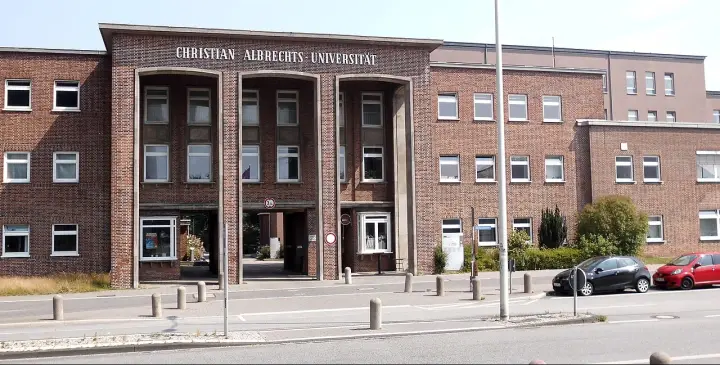
Other programmes at Christian-Albrechts-University zu Kiel
Battery Technologies
No tuition fee Tuition · sourced 18 months Duration View details CAZ Christian-Albrechts-University zu KielComputer Science
No tuition fee Tuition · sourced 18 months Duration View details CAZ Christian-Albrechts-University zu KielDairy Science
No tuition fee Tuition · sourced 2 years Duration View details CAZ Christian-Albrechts-University zu KielData Science
No tuition fee Tuition · sourced 18 months Duration View detailsCampus photos on this page: Siegbert Brey (CC BY-SA 4.0) — via Wikimedia Commons.
Master of Science in Sustainability, Society and the Environment — FAQs
5 questions
Tuition is No tuition fee. Taken from the university's published fees page, not re-checked since — confirm it before you budget. We confirm the current fee and the scholarships you qualify for — free.
The main intake is Winter semester. Most universities admit on a rolling basis — we confirm the exact deadline for your profile, free.
First degree We accept applicants with a first degree that satisfies the following requirements: A degree with a standard period of study lasting at least three years at a German university or comparable foreign institution of higher education, which was completed with a Bachelor’s examination or equivalent final examination with at least 180 ECTS credit points and a grade of 2.5 or better. You should have studied a first degree in the following fields of study: geography, sustainability sciences, social sciences, media and communication sciences, economics, or a related subject. If the degree certificate is not yet available at the time of application, a transcript of records with at least 120 ECTS credit points needs to be submitted. The transcript of records must state a provisional overall grade. Proficiency in English The SSE programme is taught in English. All applicants must provide a language certificate. International experience We accept applicants who have lived abroad for at least six months as part of a degree programme, internship or job experience. Practical experience Project proposal The SSE programme has a strong focus on planning and implementing team-based projects in the areas of social entrepreneurship or sustainability research. We therefore accept students who can demonstrate their ability to write a short proposal for a project that could be further developed and implemented within the framework of the "Sustainability Lab". English: E.G. TOEFL iBT (before 2026): 110 Reading: 28 Listening: 27 Speaking: 27 Writing: 28 IELTS Academic: 7.5.
The programme runs about 24 months full-time.
Yes — shortlisting, SOP, LOR, Resume, application, scholarships and visa guidance are all free. We're paid by partner universities, not by you.
Apply to Master of Science in Sustainability, Society and the Environment — free help
A counsellor calls you back during office hours — 9am to 8pm IST, Mon to Sat. We are open now.