
Why study in Ireland
Ireland is the only remaining native English-speaking country in the EU, which makes it a natural fit for Indian students who want a European degree taught in English plus access to the European job market. Its universities feature strongly in global rankings — Trinity College Dublin, University College Dublin, University College Cork, University of Galway, and the University of Limerick among them — and the country is a European hub for tech, pharma, medtech and financial services, with large operations from Google, Meta, Apple, Pfizer and others.
Degree lengths are compact: most taught master's programmes run just one year, and honours bachelor's degrees typically take three to four years. That shorter duration keeps total costs lower than many competing destinations.
- Popular fields: data science and computing, business and finance, engineering, pharmaceutical and health sciences.
- Students can work part-time during their studies and stay on to work after graduating under the Third Level Graduate Programme.
- Postgraduate tuition for international students typically runs €13,000–€35,000 per year, with living costs adding roughly €1,100–€1,800 a month depending on the city — Dublin is the most expensive.
Applications are usually made directly to each university, with the main intake in September and a smaller January intake for some courses.
2-year stay-back
Stay and work for up to 2 years after a master's degree.
Tech & pharma hub
European HQ for Google, Apple, Pfizer and many more.
English-speaking EU
Study in English inside the European Union.
Key facts for Indian students
Postgrad tuition / yr
€13,000–€35,000/yr
higher for business, data & health
Undergrad tuition / yr
€10,000–€28,000/yr
Living cost / month
€1,100–€1,800/month
Dublin at the higher end
Work while studying
20 hrs/week during term
up to 40 hrs/week in official holiday periods
Post-study work
Third Level Graduate Programme (Stamp 1G): 12 months for an honours bachelor's (NFQ Level 8), up to 24 months for a master's/PhD (NFQ Level 9/10)
Main intakes
September (main), January (limited)
English (typical)
IELTS 6.0–6.5 overall
some courses require 6.5–7.0
Indicative ranges from official sources — your counsellor confirms exact costs, scholarships and entry requirements for your profile, free.
Scholarships for Ireland
4 verified awards on Vibedu, each with its official link.
Government of Ireland International Education Scholarships (GOI-IES)
Government (Destination) Dates vary EUR 10,000 stipend for one year plus a full tuition-fee waiver from the host institution (indicative — confirm on source) Award Window not confirmed — check the official page Verified11 Aug 2026 Official source Details →Government of Ireland International Education Scholarship
Government (Destination) Tuition / fee support Dates vary €10,000 stipend for one year + full fee waiver from host institution Award Window not confirmed — check the official page Verified12 Aug 2026 Official source Details →PhD/Research Scholarships
University Fully funded Dates vary Stipend + fees subject to scheme Award Window not confirmed — check the official page Verified12 Aug 2026 Official source Details →9 universities in Ireland, grouped by how competitive admission is. A balanced shortlist mixes all three — your counsellor builds yours with you, free.
Ambitious universities in Ireland
The most selective. Worth a place on your list when your grades and scores are strong — alongside safer choices, not instead of them.
Moderate universities in Ireland
Well-regarded universities where a solid academic record gives you a realistic chance of an offer.
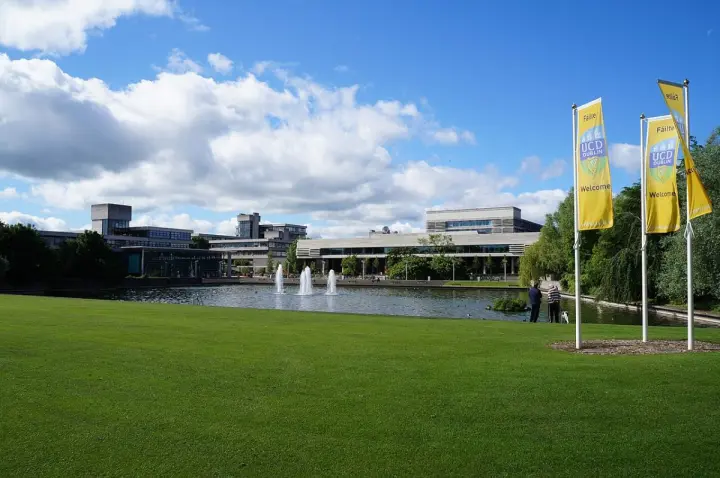
University College Dublin
EUR22,600–EUR29,500/yrTuition · sourced Sep, JanIntakes View university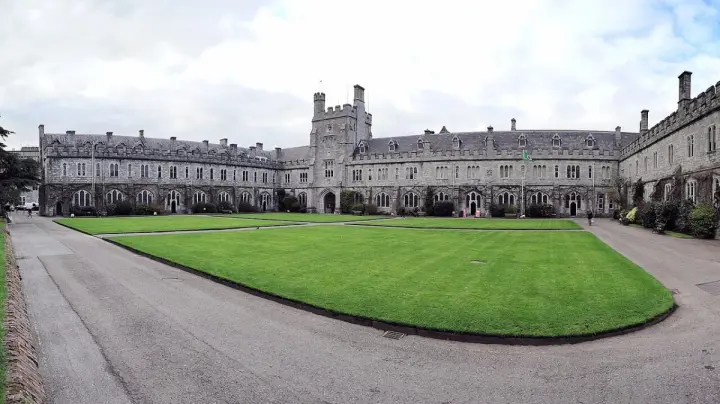
University College Cork
EUR22,300–EUR28,000/yrTuition · sourced Sep, JanIntakes View university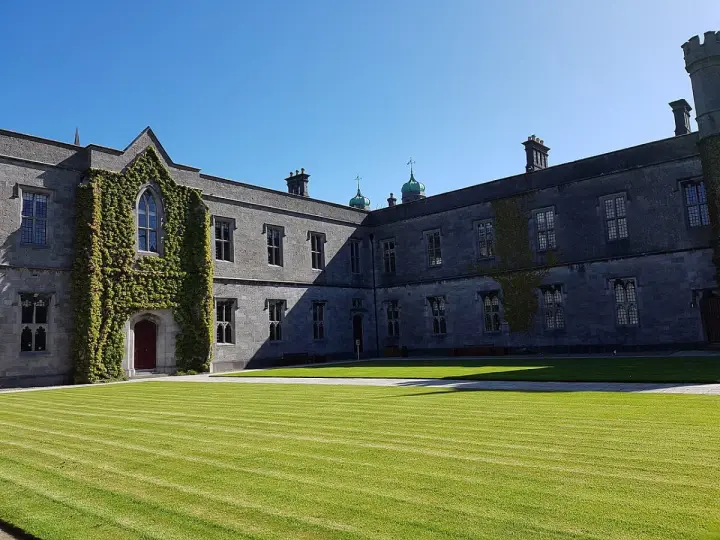

University of Galway
EUR21,640–EUR28,500/yrTuition · sourced Sep, JanIntakes View university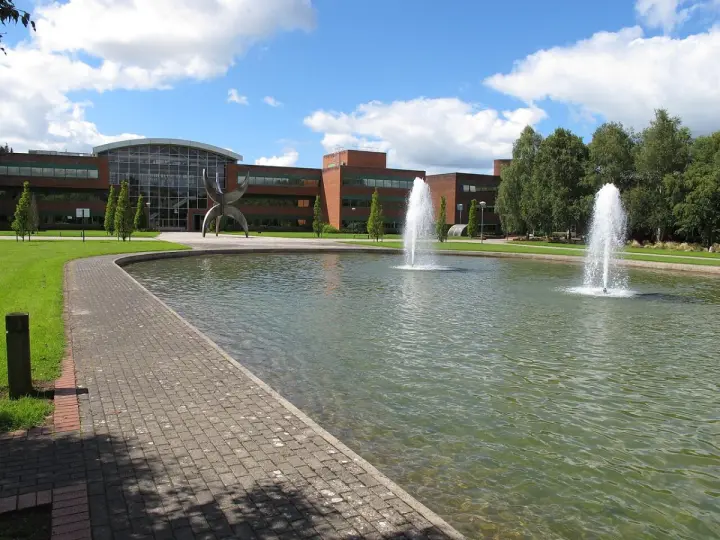

University of Limerick
€18,000–€26,000/yrTuition · indicative Sep, JanIntakes View university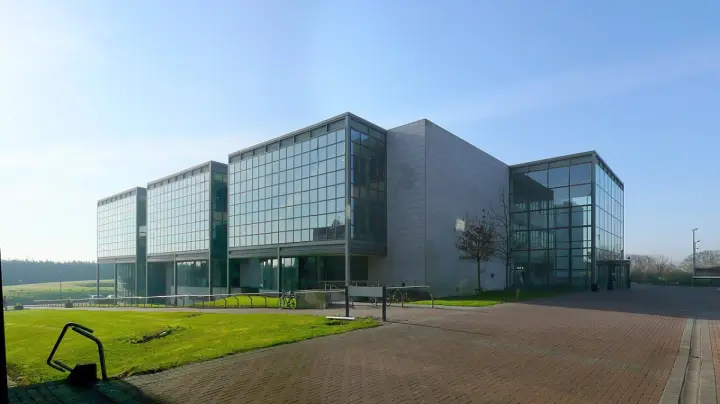

Dublin City University
EUR17,000–EUR17,900/yrTuition · sourced Sep, JanIntakes View universitySafe / Budget universities in Ireland
Broader entry requirements — the dependable base of a balanced shortlist.
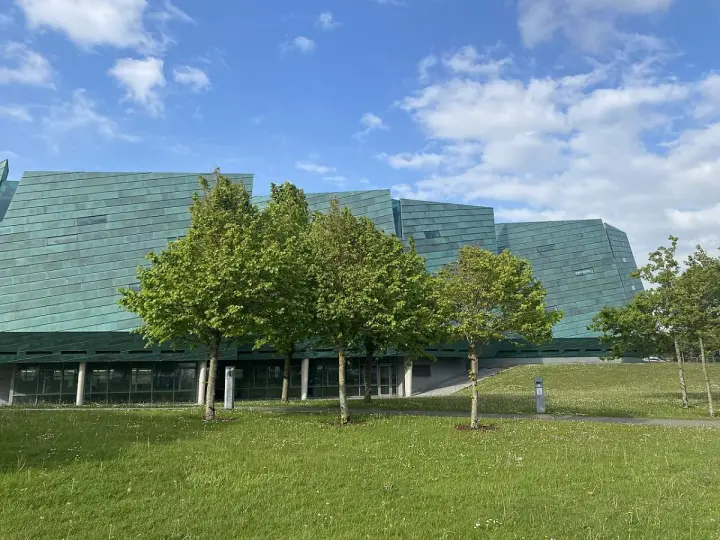
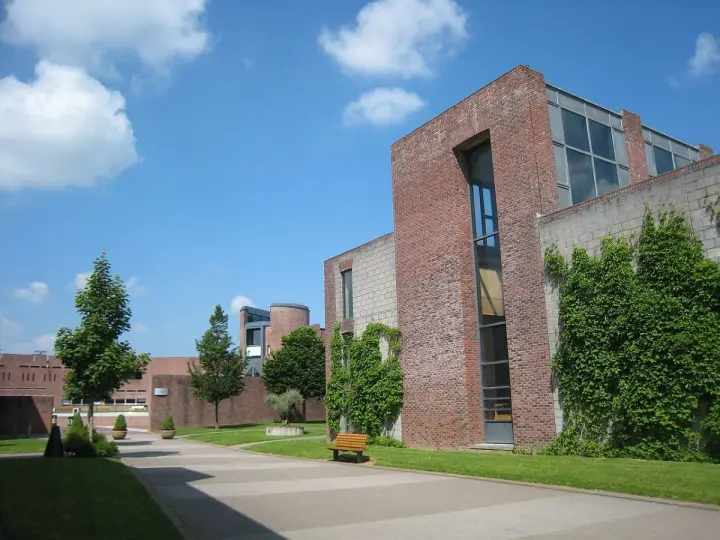
Campus photos on this page: Imelda Casey (CC BY-SA 4.0) · DomWestcliff (CC BY-SA 4.0) · Leandro Neumann Ciuffo (CC BY 2.0) · Bjørn Christian Tørrissen (CC BY-SA 3.0) · Caolan (CC BY-SA 4.0) · David Hawgood (CC BY-SA 2.0) · 瑞丽江的河水 (CC BY-SA 4.0) · SSCOhA (CC BY-SA 4.0) · Chemical Engineer (CC BY-SA 4.0) — via Wikimedia Commons.
Popular courses in Ireland

MSc Computer Science
1–2 yrs IELTS 6.5 4Universities offering this View course
MSc Data Science
1–2 yrs IELTS 6.5 4Universities offering this View course
MSc Artificial Intelligence
1–2 yrs IELTS 6.5 4Universities offering this View course
MSc Business Analytics
1 yr IELTS 6.5 3Universities offering this View course
BSc Computer Science
3–4 yrs IELTS 6.0 3Universities offering this View course
MSc Cyber Security
1 yr IELTS 6.5 2Universities offering this View courseIntakes
Sep, Jan
Tuition & scholarships
Confirmed for your profile — free
Compare Ireland with…
Studying in Ireland — FAQs
6 questions
For a course longer than 8 months you must show direct access to at least €10,000 to cover living costs for one academic year, in addition to your tuition. Since 30 June 2025 you must also have paid at least €6,000 of tuition (or the full fee if it is lower) to your college before the visa is granted.
Budget roughly €13,000–€35,000 for postgraduate tuition plus about €1,100–€1,800 a month for living costs, so most students plan for €25,000–€50,000 total per year depending on the course and city. Dublin is the most expensive place to live.
Yes. Non-EEA students on a valid Stamp 2 permission can work up to 20 hours per week during term and up to 40 hours per week during official holiday periods (typically June–September and mid-December to mid-January).
The Third Level Graduate Programme (Stamp 1G) lets you stay to seek work: 12 months after an honours bachelor's degree and up to 24 months after a master's or PhD. You apply within six months of your final results and can then move to an employment permit.
Data science and computing, business analytics and finance, engineering, and pharmaceutical/health sciences are the most sought-after, largely because Ireland hosts major tech and pharma employers with strong graduate hiring.
Apply directly to universities several months ahead of the September intake (a smaller January intake exists for some courses); many programmes assess applications on a rolling basis. Most courses ask for IELTS 6.0–6.5 overall, with some competitive or clinical programmes requiring 6.5–7.0.
Get your free Ireland study plan
A counsellor calls you back during office hours — 9am to 8pm IST, Mon to Sat. We are open now.