
Master of Arts in Digital and Computational Archaeology
University of Cologne · Cologne, Europe
Duration
24 mo
Tuition
No tuition fee
sourcedIntake
Winter semester
English
—
Winter semester intake. Most universities admit on a rolling basis — we confirm the exact application deadline for your profile, free.
Course details verified 09 Sep 2026 — intakes, entry requirements and course facts · official source
Fee sourced Taken from the university's published fees page, not re-checked since — confirm it before you budget. See the university fees page.
About this programme
Digital and Computational Archaeology is concerned with the development and application of digital technologies and computational methods in archaeology. The Master of Arts in Digital and Computational Archaeology is designed to equip archaeology graduates with practical, theoretical, and critical skills in a variety of established and emerging digital technologies, and support a career in academia, cultural resource management, and museums as well as public and private cultural heritage organisations. Students of this programme will develop skills in data science, web technologies, data modelling and database design, 2D and 3D digital documentation, GIS, spatial analysis, statistics, programming, and computational modelling. They will also be offered the opportunity to use the facilities of the Cologne Digital Archaeology Laboratory (CoDArchLab), which is equipped with teaching, research, and study spaces; numerous workstations; a variety of commercial and open-source software programmes; and specialised computational imaging equipment. Students of the MA Digital and Computational Archaeology will have the opportunity to... develop core computing skills in data science (database theory and design, data visualisation, and representation), web technologies, and programming (Python, R), and become acquainted with current issues in archaeological data management and policy. familiarise themselves with the use of state-of-the-art 3D technologies and media and learn which techniques are best suited for data capture, documentation and analysis in different situations and contexts (e.g. fieldwork, museum, research projects). think critically on the application of geographic information systems (GIS), spatial analysis, and computational modelling in archaeology, and learn how to best apply computational methods to gain insight into the socio-political organisation of past societies. learn to identify current issues, problems and developments in the field of digital humanities and gain practical experience in the application and development of methods and tools that can benefit humanities research more broadly. take work placements ("Praktika") in excavations, museums, or cultural heritage management organisations and test their practical skills in real life situations. PDF Download
Intakes & deadlines
Winter semester
Dates confirmed for your profile · Open
Entry requirements
-
English
E.G. IELTS Academic: 7
-
Prerequisites
Applicants for the Master of Arts in Digital and Computational Archaeology should hold a Bachelor’s degree (with at least 180 CP) in archaeology or an archaeological subdiscipline, such as Prehistoric Archaeology, Classical Archaeology, Ancient West Asian Studies, Archaeology of Roman Provinces, Egyptology, or similar. Bachelor-graduates of neighbouring subjects may also be admitted after case-by-case-review if at least 60 CPs have been obtained in an archaeological sub-discipline during the BA studies. A decision upon the admission of students will be made by the admissions committee.
-
Documents
SOP, LOR & Resume — generate them free in 2 minutes.
Fees & scholarships
No tuition fee tuition (sourced). We confirm the exact costs and the scholarships you qualify for at University of Cologne — free, for your profile.
Other programmes at University of Cologne
Bonn-Cologne Graduate School of Physics and Astronomy: MSc in Physics (Cologne)
No tuition fee Tuition · sourced 2 years Duration View details CO University of CologneBusiness Administration (Master of Science) – Major: Accounting & Taxation, Corporate Development, Finance, Marketing, Supply Chain Management
No tuition fee Tuition · sourced 2 years Duration View details CO University of CologneBusiness Analytics & Econometrics – Master of Science
No tuition fee Tuition · sourced 2 years Duration View details CO University of CologneDouble Master's Programme in Business Administration – Master of Science
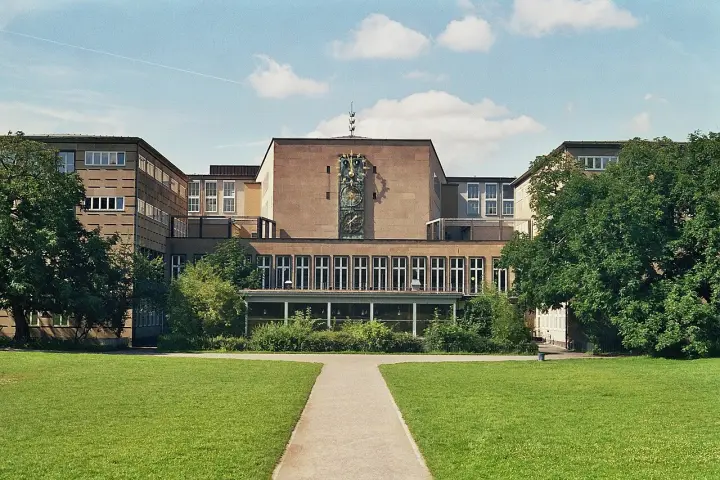
No tuition fee Tuition · sourced 2 years Duration View detailsCampus photos on this page: UzK (Public domain) — via Wikimedia Commons.
Master of Arts in Digital and Computational Archaeology — FAQs
5 questions
Tuition is No tuition fee. Taken from the university's published fees page, not re-checked since — confirm it before you budget. We confirm the current fee and the scholarships you qualify for — free.
The main intake is Winter semester. Most universities admit on a rolling basis — we confirm the exact deadline for your profile, free.
Applicants for the Master of Arts in Digital and Computational Archaeology should hold a Bachelor’s degree (with at least 180 CP) in archaeology or an archaeological subdiscipline, such as Prehistoric Archaeology, Classical Archaeology, Ancient West Asian Studies, Archaeology of Roman Provinces, Egyptology, or similar. Bachelor-graduates of neighbouring subjects may also be admitted after case-by-case-review if at least 60 CPs have been obtained in an archaeological sub-discipline during the BA studies. A decision upon the admission of students will be made by the admissions committee. English: E.G. IELTS Academic: 7.
The programme runs about 24 months full-time.
Yes — shortlisting, SOP, LOR, Resume, application, scholarships and visa guidance are all free. We're paid by partner universities, not by you.
Apply to Master of Arts in Digital and Computational Archaeology — free help
A counsellor calls you back during office hours — 9am to 8pm IST, Mon to Sat. We are open now.