Sustainable Energy Systems
TU Dortmund University · Dortmund, Europe
Duration
24 mo
Tuition
No tuition fee
sourcedIntake
Winter semester
English
—
Winter semester intake. Most universities admit on a rolling basis — we confirm the exact application deadline for your profile, free.
Course details verified 09 Sep 2026 — intakes, entry requirements and course facts · official source
Fee sourced Taken from the university's published fees page, not re-checked since — confirm it before you budget. See the university fees page.
About this programme
The Master Sustainable Energy Systems programme prepares students for work in the broad field of energy system transformation towards a climate-neutral, economic and supply-secure future. The main technical perspective targets the transition of the electrical power system based on renewable energy. Knowledge of its future design is supplemented by competencies in sustainability and digitalisation for smart grids and markets. The course of study comprises the design, modelling, control and operation of electrical energy systems while considering sustainability perspectives. The programme also prepares the students in distributed renewable generation, sector coupling with all energy sectors, and related energy market designs. All courses are taught in English. The Master's programme also includes an industry internship, which gives students the opportunity to apply their knowledge to practical problems. Furthermore, the programme also offers joint work in seminars, tutorials, labs, and project groups which will strengthen the students' competencies. In the final semester, the students work on their individual Master's theses full-time for six months. The programme provides an international environment with students from various countries, broadening their horizons and enabling them to interact respectfully within international teams and organisations. The availability of courses depends on the starting semester (summer or winter). Please refer to the course website and specifically the provided module handbook ("Modulbuch"). The module handbook contains all necessary information about the courses offered (mandatory, electives, etc.), respective credits, participation requirements, etc. The programme generally combines classroom teaching, tutorials and labs. Two further practical parts are an internship and an individual Master's thesis which complete the programme. The programme begins with one semester of mandatory courses, intended to bring all students from different backgrounds to a common, solid foundation that enables the successful completion of the elective courses. In the following semesters, students will be able to begin their elective courses. These electives are likely to establish contact with the specific research groups and institutes which may later offer topics for the project groups and Master's thesis. Since TU Dortmund University is part of the University Alliance RUHR (UA Ruhr), it is possible to attend courses from the alliance universities and transfer course credits with ease.
Intakes & deadlines
Winter semester
Dates confirmed for your profile · Open
Summer semester
Dates confirmed for your profile · Open
Entry requirements
-
English
E.G. TOEFL iBT (before 2026): 95 Reading: 24 Listening: 22 Speaking: 25 Writing: 24 TOEFL iBT (since 2026): 5 Reading: 5 Listening: 5 Speaking: 5 Writing: 5 PTE Academic: 76 IELTS Academic: 7 Cambridge English Qualifications: C1 Advanced
-
Prerequisites
For admission to the Master's programme in Sustainable Energy Systems: A Bachelor of Science (BSc) or Bachelor of Engineering (BE/BEng) or Bachelor of Technology (BTech) or equivalent degree in electrical engineering or a comparable study programme is required. For other mandatory or optional requirements such as language proficiency levels and standardised test scores, please refer to the course website, where up-to-date information is provided. Note: Any and all documents submitted should be either in English or German. Documents in other languages must be translated into English or German by a legally certified or recognised translator. Degree certificates and related documents should have been issued or certified by the respective ministries of education or German embassies or consulates or respective authorities. During the application phase, the documents are only to be submitted as photocopies or digital copies. During the enrolment phase, the documents should be presented in person and in their original form to the university enrolment office.
-
Documents
SOP, LOR & Resume — generate them free in 2 minutes.
This is an indicative early-career range for the whole Engineering (general) field in Europe, from official graduate-outcome data — not a figure for this programme or university, and not a guarantee of what you will earn. What you actually earn depends on the role, employer, city and your visa.
Source: Profiling Institut - Gehaltsranking nach Studienfach 2026 (StepStone Gehaltsreport 2026), 2026. Market job-board data — less official than a government survey; treat as indicative.
Rupee figure converted at the 18 Aug 2026 mid-market rate; your bank's rate will be worse and currencies move, so use it for planning, not as the amount you will receive.
Fees & scholarships
No tuition fee tuition (sourced). We confirm the exact costs and the scholarships you qualify for at TU Dortmund University — free, for your profile.
Other programmes at TU Dortmund University
Automation and Robotics
No tuition fee Tuition · sourced 2 years Duration View details TD TU Dortmund UniversityBiochemical Engineering – Specialisation: Biopharmaceutical Engineering
No tuition fee Tuition · sourced 2 years Duration View details TD TU Dortmund UniversityChemical Engineering – Specialisation: Process Systems Engineering
No tuition fee Tuition · sourced 2 years Duration View details TD TU Dortmund UniversityEconometrics
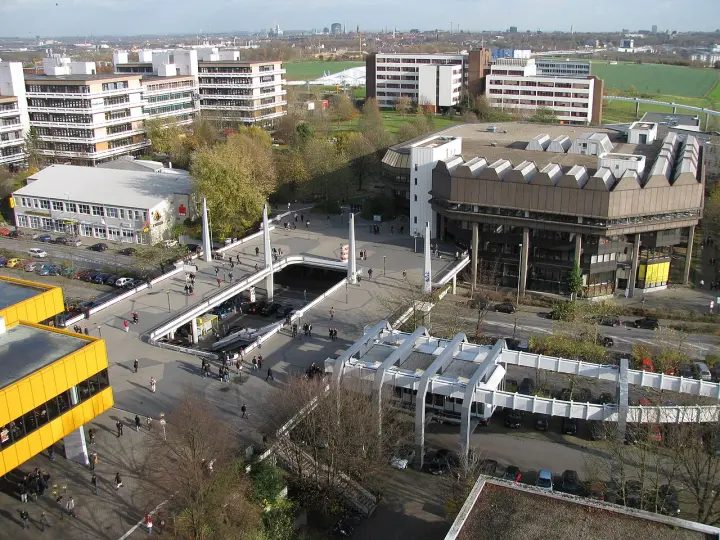
No tuition fee Tuition · sourced 2 years Duration View detailsCampus photos on this page: Chin tin tin (CC BY 3.0) — via Wikimedia Commons.
Sustainable Energy Systems — FAQs
5 questions
Tuition is No tuition fee. Taken from the university's published fees page, not re-checked since — confirm it before you budget. We confirm the current fee and the scholarships you qualify for — free.
The main intake is Winter semester. Most universities admit on a rolling basis — we confirm the exact deadline for your profile, free.
For admission to the Master's programme in Sustainable Energy Systems: A Bachelor of Science (BSc) or Bachelor of Engineering (BE/BEng) or Bachelor of Technology (BTech) or equivalent degree in electrical engineering or a comparable study programme is required. For other mandatory or optional requirements such as language proficiency levels and standardised test scores, please refer to the course website, where up-to-date information is provided. Note: Any and all documents submitted should be either in English or German. Documents in other languages must be translated into English or German by a legally certified or recognised translator. Degree certificates and related documents should have been issued or certified by the respective ministries of education or German embassies or consulates or respective authorities. During the application phase, the documents are only to be submitted as photocopies or digital copies. During the enrolment phase, the documents should be presented in person and in their original form to the university enrolment office. English: E.G. TOEFL iBT (before 2026): 95 Reading: 24 Listening: 22 Speaking: 25 Writing: 24 TOEFL iBT (since 2026): 5 Reading: 5 Listening: 5 Speaking: 5 Writing: 5 PTE Academic: 76 IELTS Academic: 7 Cambridge English Qualifications: C1 Advanced.
The programme runs about 24 months full-time.
Yes — shortlisting, SOP, LOR, Resume, application, scholarships and visa guidance are all free. We're paid by partner universities, not by you.
Apply to Sustainable Energy Systems — free help
A counsellor calls you back during office hours — 9am to 8pm IST, Mon to Sat. We are open now.