
MA Theology for a World in Transformation (TWT)
Julius-Maximilians-Universität Würzburg · Würzburg, Europe
Duration
24 mo
Tuition
No tuition fee
sourcedIntake
Winter semester
English
—
Winter semester intake. Most universities admit on a rolling basis — we confirm the exact application deadline for your profile, free.
Course details verified 09 Sep 2026 — intakes, entry requirements and course facts · official source
Fee sourced Taken from the university's published fees page, not re-checked since — confirm it before you budget. See the university fees page.
About this programme
The 21st century is characterised by profound processes of transformation: ecological crises, political conflicts, technological innovations, and more, which are raising fundamental questions of orientation in an increasingly globalised world marked by (religious) pluralism. This is happening at both the personal and the societal levels. The Church and theology are part of these transformation processes. At the same time, theology offers the potential to deal responsibly with transformation processes and the challenges that accompany them. The new Master’s degree programme addresses this challenge in two ways: On the one hand, the outlined horizon becomes the starting point to get to know Catholic theology in interdisciplinary discourse as a discipline that is relevant to the present context and is itself undergoing change. On the other hand, the transforming world also forms the goal of the programme: Catholic theology is explored as a (self-)critical science that, based on its self-image, influences social discourse and can contribute to the humane shaping of society and the world. PDF Download
Intakes & deadlines
Winter semester
Dates confirmed for your profile · Open
Entry requirements
-
English
E.G. Cambridge English Qualifications: B2 First TOEFL iBT (since 2026): 4 Reading: 4 Listening: 4 Speaking: 4 Writing: 4 TOEFL iBT (before 2026): 72 Reading: 18 Listening: 17 Speaking: 20 Writing: 17 IELTS Academic: 6
-
Prerequisites
The Master’s programme "Theology for a World in Transformation" is addressed to all Bachelor’s graduates who are interested in critically reflecting on a changing world from a theological perspective. It does not formally require prior studies in theology or religious studies. To pursue the programme with both enjoyment and success, applicants should be motivated to engage with this perspective and demonstrate a fundamental openness to theological thinking. Helpful — though not required — are prior academic experience related to theology (for example in philosophy or cultural studies), as well as biographical experiences with religion and the Church (such as through church-based youth work or internships). If the Bachelor’s certificate has not been issued at the time of application, proof of at least 150 ECTS credits in total must be provided to facilitate an uninterrupted transition to the Master’s degree programme in the semester immediately following. The certificate must then be obtained by the end of the re-enrolment period for the third subject semester of the TWT Master’s degree programme at the latest.
-
Documents
SOP, LOR & Resume — generate them free in 2 minutes.
Fees & scholarships
No tuition fee tuition (sourced). We confirm the exact costs and the scholarships you qualify for at Julius-Maximilians-Universität Würzburg — free, for your profile.
Other programmes at Julius-Maximilians-Universität Würzburg
Adult Education and Management in Lifelong Education
No tuition fee Tuition · sourced 2 years Duration View details JMW Julius-Maximilians-Universität WürzburgBehavioural Neurobiology / Neuroethology, Master of Science in Biology
No tuition fee Tuition · sourced 2 years Duration View details JMW Julius-Maximilians-Universität WürzburgCell and Infection Biology, Master of Science
No tuition fee Tuition · sourced 2 years Duration View details JMW Julius-Maximilians-Universität WürzburgChina Business and Economics, Master of Science
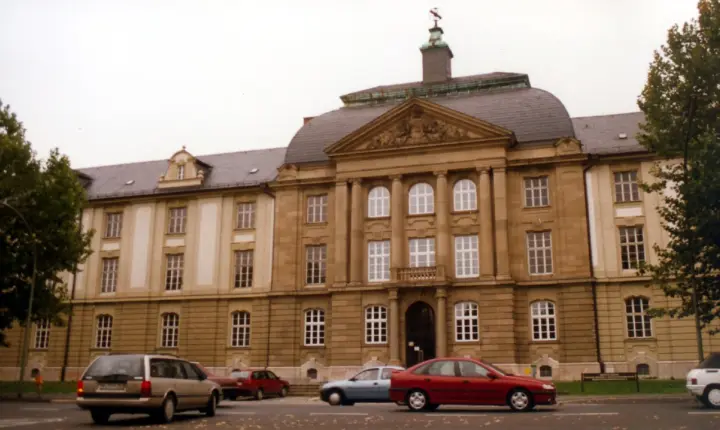
No tuition fee Tuition · sourced 2 years Duration View detailsCampus photos on this page: Robert Emmerich (CC BY-SA 3.0) — via Wikimedia Commons.
MA Theology for a World in Transformation (TWT) — FAQs
5 questions
Tuition is No tuition fee. Taken from the university's published fees page, not re-checked since — confirm it before you budget. We confirm the current fee and the scholarships you qualify for — free.
The main intake is Winter semester. Most universities admit on a rolling basis — we confirm the exact deadline for your profile, free.
The Master’s programme "Theology for a World in Transformation" is addressed to all Bachelor’s graduates who are interested in critically reflecting on a changing world from a theological perspective. It does not formally require prior studies in theology or religious studies. To pursue the programme with both enjoyment and success, applicants should be motivated to engage with this perspective and demonstrate a fundamental openness to theological thinking. Helpful — though not required — are prior academic experience related to theology (for example in philosophy or cultural studies), as well as biographical experiences with religion and the Church (such as through church-based youth work or internships). If the Bachelor’s certificate has not been issued at the time of application, proof of at least 150 ECTS credits in total must be provided to facilitate an uninterrupted transition to the Master’s degree programme in the semester immediately following. The certificate must then be obtained by the end of the re-enrolment period for the third subject semester of the TWT Master’s degree programme at the latest. English: E.G. Cambridge English Qualifications: B2 First TOEFL iBT (since 2026): 4 Reading: 4 Listening: 4 Speaking: 4 Writing: 4 TOEFL iBT (before 2026): 72 Reading: 18 Listening: 17 Speaking: 20 Writing: 17 IELTS Academic: 6.
The programme runs about 24 months full-time.
Yes — shortlisting, SOP, LOR, Resume, application, scholarships and visa guidance are all free. We're paid by partner universities, not by you.
Apply to MA Theology for a World in Transformation (TWT) — free help
A counsellor calls you back during office hours — 9am to 8pm IST, Mon to Sat. We are open now.