Sustainable Electronics and Photonics (SEP)
Technische Universität Dresden · Dresden, Europe
Duration
24 mo
Tuition
No tuition fee
sourcedIntake
Winter semester
English
—
Winter semester intake. Most universities admit on a rolling basis — we confirm the exact application deadline for your profile, free.
Course details verified 10 Sep 2026 — intakes, entry requirements and course facts · official source
Fee sourced Taken from the university's published fees page, not re-checked since — confirm it before you budget. See the university fees page.
About this programme
Master's Sustainable Electronics and Photonics (SEP) The Evolution of OME Building on our long-standing reputation in Organic and Molecular Electronics (“OME”), this interdisciplinary programme provides the high-level professional skills needed for an international career in the cutting-edge field of thin-film electronics and modern optics. A Comprehensive Material Portfolio While organic electronics remains a major pillar, the SEP programme reflects the true diversity of the "Beyond Moore" era. Our students gain deep technical expertise across a broad spectrum of materials, focusing on the research and development of: Next-Gen Devices: Ranging from OLEDs and nanowire transistors to optical memory, biomedical devices, and high-precision sensor devices Flexible & Printed Electronics: Mastering low-temperature manufacturing for lightweight, bendable tech Advanced Materials: Investigating the physics of organics, perovskites, and metal oxides in both micro and nano dimensions Innovation with a Sustainable Perspective The field of electronics is evolving rapidly. To ensure our graduates stay ahead, we have integrated a mandatory focus on Sustainability and Resource Management alongside our core technical modules. You will explore: Ecological Considerations: Understanding the environmental impact of fabrication and material choices Circular Concepts: Introduction to resource efficiency, recycling, and reuse strategies in the electronics lifecycle Sustainable Processing: How innovative manufacturing (like printed electronics) can reduce the carbon footprint of high-tech applications. Study the Future From smart integrated systems to high-efficiency solar cells, the market for these technologies is predicted to reach hundreds of billions of EUR in the next decade. With state-of-the-art study conditions and excellent mentoring, the SEP programme prepares you to lead this growth - technically, scientifically, and responsibly. SEP (formerly OME) is one track students of the Erasmus Mundus programme can choose after their first year at KU Leuven. The programme has a modular structure and consists of lectures, exercises, seminars, tutorials, internships, lab sessions, research projects, and language courses. First Semester: Core Foundations Semiconductor Technology and Organic Semiconductors Basics of Solid State Science (Semiconductor Physics, Circuit Technology, Solid State & Quantum Physics) Materials for Nanoelectronics Physical Characterisation of Thin Films Second Semester: Specialisation Optoelectronics and Printing Technology Major Area: Choice of Electronics OR Photonics (includes a lab course) Minor Area: Nanotechnology, plus the specialisation area not chosen as the major Third Semester: Advanced Applications Concepts of Molecular Modelling Basics of Sustainability in Electronics and Photonics Additional major and minor courses Project Work: A unique, flexible module for an internship or independent research project Fourth Semester: Final Examination Master’s Thesis and Defence (Colloquium) Additional Requirement: In addition to the semester-specific modules above, students must complete one elective course at any point during their studies. Example choices include German as a Foreign Language, Current Topics in Materials Science, or Career Paths after studying SEP. PDF Download
Intakes & deadlines
Winter semester
Dates confirmed for your profile · Open
Entry requirements
-
English
E.G. TOEFL iBT Home Edition (before 2026): 95 Reading: 24 Listening: 22 Speaking: 25 Writing: 24 IELTS Academic: 7 TOEFL iBT Home Edition (since 2026): 5 Reading: 5 Listening: 5 Speaking: 5 Writing: 5 Cambridge English Qualifications: C1 Advanced Cambridge English Qualifications Business (BEC) : C1 Business Higher TOEFL Essentials: 10 Reading: 10 Listening: 10 Speaking: 10 Writing: 10 telc English: telc English C1 ISE Digital: 105 ISE (paper edition): ISE III onSET English: C1 PTE Academic: 70 UNIcert® English: UNIcert® III TOEIC: 945 Reading: 455 Listening: 490 Speaking: 180 Writing: 180
-
Prerequisites
Academic admission requirements include a first degree in physics, chemistry, electrical engineering, materials science, or a related field. Please note that for most Non-EU countries (including India and China), a minimum of a four-year Bachelor's degree or three-year Bachelor's degree plus a one-year Master's degree is required (i.e. a minimum of a four-year duration of study).
-
Documents
SOP, LOR & Resume — generate them free in 2 minutes.
This is an indicative early-career range for the whole Engineering (general) field in Europe, from official graduate-outcome data — not a figure for this programme or university, and not a guarantee of what you will earn. What you actually earn depends on the role, employer, city and your visa.
Source: Profiling Institut - Gehaltsranking nach Studienfach 2026 (StepStone Gehaltsreport 2026), 2026. Market job-board data — less official than a government survey; treat as indicative.
Rupee figure converted at the 18 Aug 2026 mid-market rate; your bank's rate will be worse and currencies move, so use it for planning, not as the amount you will receive.
Fees & scholarships
No tuition fee tuition (sourced). We confirm the exact costs and the scholarships you qualify for at Technische Universität Dresden — free, for your profile.
Other programmes at Technische Universität Dresden
AI, Regulatory Affairs & Transformation in Medical Technology (MBA)
€4,170/yr Tuition · sourced 2 years Duration View details TD Technische Universität DresdenAir Transport and Logistics
No tuition fee Tuition · sourced 2 years Duration View details TD Technische Universität DresdenBiochemistry
No tuition fee Tuition · sourced 2 years Duration View details TD Technische Universität DresdenChemistry
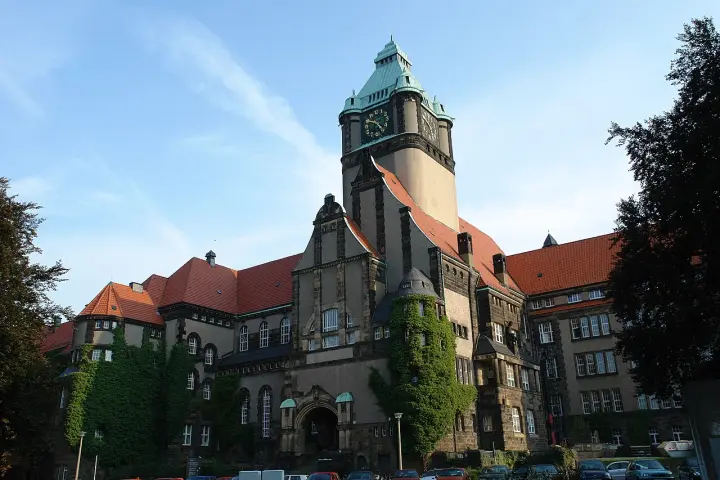
No tuition fee Tuition · sourced 2 years Duration View detailsCampus photos on this page: Hullbr3ach (CC BY-SA 2.5) — via Wikimedia Commons.
Sustainable Electronics and Photonics (SEP) — FAQs
5 questions
Tuition is No tuition fee. Taken from the university's published fees page, not re-checked since — confirm it before you budget. We confirm the current fee and the scholarships you qualify for — free.
The main intake is Winter semester. Most universities admit on a rolling basis — we confirm the exact deadline for your profile, free.
Academic admission requirements include a first degree in physics, chemistry, electrical engineering, materials science, or a related field. Please note that for most Non-EU countries (including India and China), a minimum of a four-year Bachelor's degree or three-year Bachelor's degree plus a one-year Master's degree is required (i.e. a minimum of a four-year duration of study). English: E.G. TOEFL iBT Home Edition (before 2026): 95 Reading: 24 Listening: 22 Speaking: 25 Writing: 24 IELTS Academic: 7 TOEFL iBT Home Edition (since 2026): 5 Reading: 5 Listening: 5 Speaking: 5 Writing: 5 Cambridge English Qualifications: C1 Advanced Cambridge English Qualifications Business (BEC) : C1 Business Higher TOEFL Essentials: 10 Reading: 10 Listening: 10 Speaking: 10 Writing: 10 telc English: telc English C1 ISE Digital: 105 ISE (paper edition): ISE III onSET English: C1 PTE Academic: 70 UNIcert® English: UNIcert® III TOEIC: 945 Reading: 455 Listening: 490 Speaking: 180 Writing: 180.
The programme runs about 24 months full-time.
Yes — shortlisting, SOP, LOR, Resume, application, scholarships and visa guidance are all free. We're paid by partner universities, not by you.
Apply to Sustainable Electronics and Photonics (SEP) — free help
A counsellor calls you back during office hours — 9am to 8pm IST, Mon to Sat. We are closed right now, so your request is first in line when we reopen.