
International Master's Programme Molecular Medicine
Technische Universität Berlin · Berlin, Europe
Duration
24 mo
Tuition
€2,500/yr
sourcedIntake
Winter semester
English
—
Winter semester intake. Most universities admit on a rolling basis — we confirm the exact application deadline for your profile, free.
Course details verified 10 Sep 2026 — intakes, entry requirements and course facts · official source
Fee sourced Taken from the university's published fees page, not re-checked since — confirm it before you budget. See the university fees page.
About this programme
The core modules of the programme: Module Genetics This module examines how genes control the growth and development of an organism throughout its entire life cycle. The module equips students with the ability to understand the molecular mechanisms underlying inheritance and gene regulation, to identify the genetic causes and inheritance patterns of hereditary diseases, and to explain mutations and the principles of their analysis. The module covers the fundamentals of vertebrate development before birth, including organogenesis, the theoretical foundations of stem cell biology, and regenerative medicine. Module Functional Genomics This module is divided into three sections; bioinformatics; high throughput technologies and systems biology; and population genetics. Specific topics covered include genomes and statistics, transcriptomics, and proteomics. The laboratory portion of the module consists of computer exercises, some of which students conduct individually, others of which are conducted in small groups, or by the group as a whole. Module Infections and Immune Response In this module, students concentrate on the molecular basis of interactions between pathogens and their hosts. They also focus on epidemiology. Molecular basics of virology, bacteriology, parasitology, and the immunology of infections are also part of this module. Module Cardiovascular Disease and Pharmacology This module covers the cellular and molecular mechanism of the development and progression of cardiovascular diseases and the basic principles of the therapeutic intervention of these diseases. This includes topics like anatomy and physiology of the heart, heart development, genetic of cardiovascular disorders, cardiac hypertrophy, atherosclerosis, gender-specific aspects, and the molecular pharmacology of the cardiovascular system. Module Molecular Mechanisms of Cancer Disease This module aims to provide the theoretical knowledge and experience of cellular and molecular biology and their application to human cancer. The course will focus on oncogenic signal transduction, angiogenesis, apoptosis, cell cycle regulation, selected tumour diseases like hematologic and solid tumours, and its clinical demonstration, tumour immunology. Module Maintenance and Integrity of the Endocrine System This module teaches the fundamental background of endocrinology and the potency and limitations of endocrine analysis. Further topics are feedback regulation, human ductless glands, hormone classes, biochemistry of hormone receptors, inherent endocrine diseases, endogenous rhythm, and gender differences. The programme includes also two laboratory rotations of 16 weeks each (20 hours per week) and a six-month Master's thesis research project. The Master's programme in Molecular Medicine is a two-year programme consisting of 3,600 hours and 120 credits. The modules are similarly structured and include lectures, seminars, and tutorials. They differ, however, with respect to content and instructors. The purpose of the modules is to give students an overview of the various different research areas in the field. In each module students attend lectures and tutorials on the given topic in the mornings. In the afternoons, they work in their lab placements. The lab work takes place in regular research labs of the Charité (and related institutes), so the work is absolutely current. In many cases students contribute to research that is published subsequently. After all modules have been completed, students spend one month choosing a lab at the Charité in which to perform research for their thesis. During this month they must also write a research proposal which must be approved before the thesis work can begin. Thesis research runs from February through August (six months) with the actual written thesis due at the end of that period. Defence of the thesis is the last requirement before the degree is awarded.
Intakes & deadlines
Winter semester
Dates confirmed for your profile · Open
Entry requirements
-
English
E.G. TOEFL iBT (since 2026): 4.5 Reading: 4.5 Listening: 4.5 Speaking: 4.5 Writing: 4.5 onSET English: C1 telc English: telc English B2-C1 University Cambridge English Qualifications: C1 Advanced UNIcert® English: UNIcert® III TOEFL iBT (before 2026): 92 Reading: 23 Listening: 21 Speaking: 24 Writing: 23 IELTS Academic: 6.5
-
Prerequisites
The Master's programme in molecular medicine is designed for students who wish to study the molecular biology of disease from both a research and a clinical perspective. The ideal candidate should have completed one of the following: a Bachelor of Science (BSc) in a related scientific discipline such as molecular medicine, biology, or biochemistry a German "Diplom" in a related scientific discipline medical school Related scientific disciplines can also include bioinformatics, biotechnology, pharmacy, chemistry, genetics, and a number of other different subject areas. Proof of English-language proficiency Practical experience in the lab (wet lab/in silico) Two reference letters Motivation letter
-
Documents
SOP, LOR & Resume — generate them free in 2 minutes.
Fees & scholarships
€2,500/yr tuition (sourced). We confirm the exact costs and the scholarships you qualify for at Technische Universität Berlin — free, for your profile.
Other programmes at Technische Universität Berlin
Ancient Worlds — Interdisciplinary Ancient Studies / Antike Welten — Interdisziplinäre Altertumswissenschaften
No tuition fee Tuition · sourced 2 years Duration View details TB Technische Universität BerlinBerlin MBA (full-time)
€9,950/yr Tuition · sourced 1 year Duration View details TB Technische Universität BerlinBerlin MBA (part-time)
€5,600/yr Tuition · sourced 2 years Duration View details TB Technische Universität BerlinBuilding Sustainability in Urban Futures (MBA)
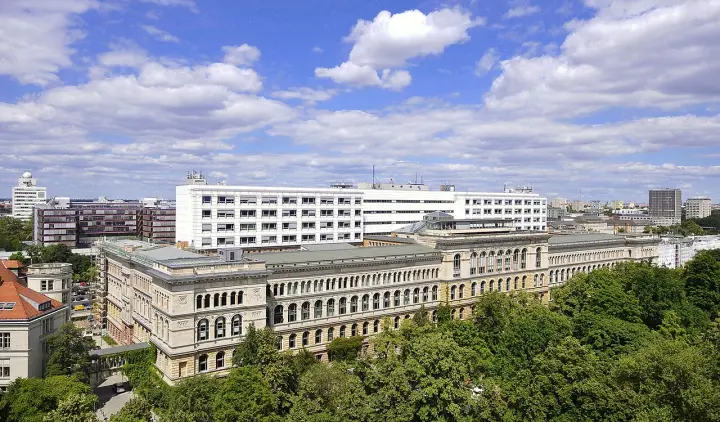
€6,600/yr Tuition · sourced 18 months Duration View detailsCampus photos on this page: TU Berlin/Pressestelle/Ulrich Dahl (Copyrighted free use) — via Wikimedia Commons.
International Master's Programme Molecular Medicine — FAQs
5 questions
Tuition is €2,500/yr. Taken from the university's published fees page, not re-checked since — confirm it before you budget. We confirm the current fee and the scholarships you qualify for — free.
The main intake is Winter semester. Most universities admit on a rolling basis — we confirm the exact deadline for your profile, free.
The Master's programme in molecular medicine is designed for students who wish to study the molecular biology of disease from both a research and a clinical perspective. The ideal candidate should have completed one of the following: a Bachelor of Science (BSc) in a related scientific discipline such as molecular medicine, biology, or biochemistry a German "Diplom" in a related scientific discipline medical school Related scientific disciplines can also include bioinformatics, biotechnology, pharmacy, chemistry, genetics, and a number of other different subject areas. Proof of English-language proficiency Practical experience in the lab (wet lab/in silico) Two reference letters Motivation letter English: E.G. TOEFL iBT (since 2026): 4.5 Reading: 4.5 Listening: 4.5 Speaking: 4.5 Writing: 4.5 onSET English: C1 telc English: telc English B2-C1 University Cambridge English Qualifications: C1 Advanced UNIcert® English: UNIcert® III TOEFL iBT (before 2026): 92 Reading: 23 Listening: 21 Speaking: 24 Writing: 23 IELTS Academic: 6.5.
The programme runs about 24 months full-time.
Yes — shortlisting, SOP, LOR, Resume, application, scholarships and visa guidance are all free. We're paid by partner universities, not by you.
Apply to International Master's Programme Molecular Medicine — free help
A counsellor calls you back during office hours — 9am to 8pm IST, Mon to Sat. We are closed right now, so your request is first in line when we reopen.