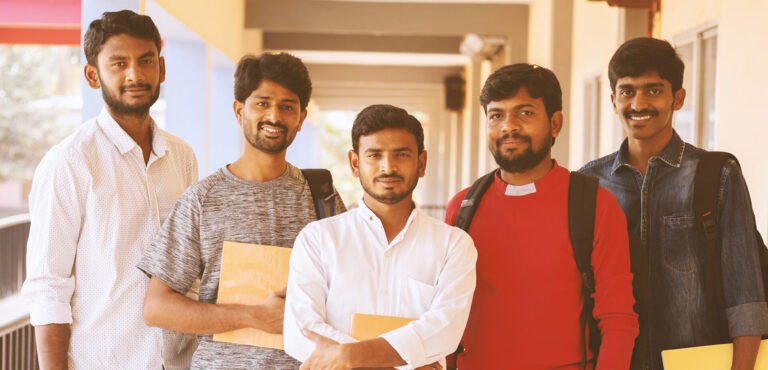
Study Abroad Application Mistakes to Avoid in 2026
Study Abroad Application Mistakes to Avoid in 2026
Table of Contents
- Introduction: The Cost of Common Study Abroad Mistakes
- Timeline and Planning Mistakes Documentation and Application Errors
- Financial Planning Blunders
- Visa Rejection Reasons and How to Avoid Them
- University Selection Mistakes
- Interview and Communication Errors
- Essential Study Abroad Checklist for 2026
- Frequently Asked Questions
Introduction: The Cost of Common Study Abroad Mistakes
Each year, thousands of Indian students see their study abroad dreams delayed or derailed by preventable application errors. As we approach 2026, understanding these common study abroad mistakes becomes crucial for aspiring international students. This comprehensive guide will walk you through the most frequent study abroad application mistakes to avoid, helping you navigate the complex process successfully.
According to data from the Ministry of Education, Government of India, approximately 23% of study abroad applications from Indian students face delays or rejections due to avoidable errors. These study abroad mistakes 2026 applicants make often stem from inadequate preparation, misinformation, or simple oversight.
Key Insight: A survey by IDP Education revealed that students who received professional guidance were 68% less likely to make critical application mistakes to avoid compared to those who navigated the process independently.
This guide addresses every aspect of the application process, from initial research to visa interviews, providing actionable strategies to ensure your study abroad journey begins smoothly. Whether you're targeting the United States, Canada, UK, Australia, or European destinations, these insights will help you sidestep common pitfalls.
Get Free CounsellingTimeline and Planning Mistakes
Poor timing represents one of the most common study abroad mistakes that derail applications. Starting too late creates a domino effect of problems throughout the application process.
Starting the Process Too Late
Many students underestimate the time required for proper preparation. Ideal planning for fall 2026 intake should begin by early 2025. This allows adequate time for test preparation, university research, and application drafting.
Underestimating Test Preparation Time
Standardized tests like IELTS, TOEFL, GRE, or GMAT require substantial preparation. Students often make the critical mistake of scheduling tests too close to application deadlines, leaving no room for retakes if needed.
Missing Application Windows
Different universities and countries have varying application cycles. Missing priority deadlines can significantly reduce scholarship opportunities and admission chances at competitive programs.
According to the Educational Testing Service, 42% of Indian test-takers require at least two attempts to achieve their target scores on standardized exams, highlighting the importance of building extra time into your preparation schedule.
Ideal Application Timeline for 2026 Intake
To avoid these timeline study abroad mistakes, follow this structured approach:
- January-March 2025: Initial research, shortlisting universities, beginning test preparation
- April-June 2025: Take standardized tests, gather initial documents, start drafting application essays
- July-September 2025: Finalize university list, request recommendation letters, complete application drafts
- October-December 2025: Submit applications, apply for scholarships, prepare for interviews
- January-March 2026: Complete visa applications, arrange finances, finalize accommodation
- April-June 2026: Pre-departure preparations, orientation sessions, travel arrangements
By following this timeline, you'll avoid the rushed preparation that leads to many application mistakes to avoid. Remember that early preparation not only reduces stress but also improves the quality of your application components.
Get Free CounsellingDocumentation and Application Errors
Incomplete or incorrect documentation represents one of the most frequent study abroad application mistakes to avoid. Even minor errors can lead to application rejection or significant delays.
Incomplete Application Forms
Many students rush through application forms, leaving sections incomplete or providing inconsistent information. Always double-check every field before submission, paying special attention to personal details, academic history, and program-specific questions.
Poorly Crafted Personal Statements
Your statement of purpose or personal essay is your opportunity to stand out. Common mistakes include generic content, grammatical errors, failing to address program-specific prompts, and not connecting your background to your future goals.
Weak Recommendation Letters
Choosing inappropriate recommenders or providing them with insufficient information are critical errors. Select professors or employers who know you well and can speak specifically about your abilities and potential.
Inadequate Academic Documentation
Failing to provide properly attested transcripts, degree certificates, or English translations where required can derail your application. Different countries have specific documentation requirements that must be followed precisely.
Document Checklist: The British Council recommends creating a master document checklist and tracking system to ensure no required materials are overlooked during the application process.
Proofreading and Quality Control
Even excellent applications can be undermined by typographical errors, formatting inconsistencies, or missing signatures. Always have at least one other person review your complete application before submission. Pay special attention to:
- Spelling and grammar throughout all documents
- Consistency in dates, names, and other personal information
- Adherence to specific formatting requirements (word counts, file types)
- Completeness of all required sections and attachments
- Accuracy of program codes and university details
Remember that admission committees review thousands of applications. Small errors can create negative impressions that undermine otherwise strong candidacies. Taking the time to perfect your documentation is among the most important study abroad tips for Indian students.
Get Free CounsellingFinancial Planning Blunders
Inadequate financial preparation represents one of the most serious study abroad mistakes that can disrupt your international education plans. Both visa applications and successful study experiences depend on solid financial planning.
Underestimating Total Costs
Many students focus only on tuition fees while overlooking additional expenses like health insurance, accommodation, transportation, books, and personal expenses. Create a comprehensive budget that includes all potential costs.
Insufficient Proof of Funds
Visa applications require demonstrating adequate financial resources. Common errors include providing incomplete bank statements, using unverifiable financial documents, or not meeting specific country requirements for fund demonstration.
Last-Minute Financial Arrangements
Waiting until the last minute to arrange education loans or gather financial documents creates unnecessary stress and can jeopardize visa approvals. Begin financial planning at least 6-8 months before your intended start date.
According to a report by ICICI Bank, approximately 35% of education loan applications face delays due to incomplete documentation or last-minute submissions, highlighting the importance of early financial planning.
Scholarship Application Errors
When applying for scholarships, students often make these critical mistakes:
- Missing application deadlines
- Failing to tailor applications to specific scholarship criteria
- Submitting generic essays instead of customized responses
- Not providing required supporting documents
- Overlooking smaller scholarship opportunities that can add up
Currency and Banking Considerations
Many students neglect to research banking options, currency exchange rates, and international transaction fees. Setting up appropriate banking arrangements before departure can save significant money and hassle.
Proper financial planning is not just about securing admission—it's about ensuring you can complete your education without unnecessary financial stress. These study abroad tips for Indian students regarding finances can make the difference between a smooth experience and constant financial anxiety.
Get Free CounsellingVisa Rejection Reasons and How to Avoid Them
Visa rejection represents one of the most devastating study abroad mistakes, often occurring after students have invested significant time and resources in the application process. Understanding common visa rejection reasons is essential for successful study abroad planning.
Insufficient Financial Documentation
This remains the leading cause of student visa rejections worldwide. Applications must demonstrate adequate funds for both tuition and living expenses throughout the study period. Ensure your financial documents are clear, verifiable, and meet specific embassy requirements.
Unconvincing Intent to Return
Visa officers need assurance that you intend to return to your home country after completing your studies. Failing to demonstrate strong ties to India or presenting an unclear post-study plan are common visa rejection reasons.
Inconsistent Information
Discrepancies between your visa application, university application, and supporting documents raise red flags. Ensure all your information remains consistent across all platforms and documents.
Poor Interview Preparation
Visa interviews require careful preparation. Common mistakes include providing vague answers, showing nervousness, lacking knowledge about your chosen program or institution, or failing to communicate clearly.
Visa Success Strategy: According to immigration experts at Immigration, Refugees and Citizenship Canada, applicants who prepare detailed study plans and can clearly articulate their career goals are 45% more likely to receive visa approval.
Country-Specific Visa Considerations
Different countries have unique visa requirements and common rejection reasons:
- United States: Failure to demonstrate non-immigrant intent remains the primary concern for F-1 visa applications
- Canada: Insufficient proof of financial support accounts for approximately 40% of study permit refusals
- United Kingdom: Credibility interviews focus heavily on genuine student status and English language ability
- Australia: Genuine Temporary Entrant requirements must be clearly addressed in personal statements
- Germany: Blocked account requirements must be fulfilled precisely according to specifications
Understanding these country-specific nuances is crucial for avoiding study abroad mistakes 2026 applicants commonly make during the visa process. Consider seeking professional guidance to navigate these complex requirements successfully.
Get Free CounsellingUniversity Selection Mistakes
Choosing the wrong universities represents one of the most fundamental study abroad application mistakes to avoid. Your university selection strategy significantly impacts both admission chances and overall satisfaction with your study abroad experience.
Ranking Obsession
Many students focus exclusively on university rankings while overlooking other critical factors like program specifics, faculty expertise, location, campus culture, and career outcomes. A lower-ranked university might offer better opportunities in your specific field.
Imbalanced University List
Creating a university list without proper stratification (dream, match, and safety schools) is a common error. Your list should include universities where you have realistic admission chances alongside more competitive options.
Ignoring Program-Specific Strengths
A university might have an excellent overall reputation but mediocre programs in your specific field of interest. Always research department-specific rankings, faculty credentials, and research opportunities.
A QS World University Rankings survey found that 62% of international students who transferred programs cited "poor fit between student interests and program focus" as their primary reason for changing institutions.
Location Considerations
Many students underestimate the importance of location factors such as:
- Cost of living variations between cities and regions
- Climate and cultural adjustment challenges
- Proximity to industry hubs and internship opportunities
- Local immigrant community support networks
- Post-study work opportunities in the region
Admission Statistics Neglect
Failing to research admission rates, average test scores of admitted students, and specific admission requirements for international students can lead to wasted applications. Target universities where your profile aligns with typical successful applicants.
Strategic university selection requires balancing multiple factors to find institutions that match your academic profile, career goals, and personal preferences. These study abroad tips for Indian students regarding university selection can significantly impact both admission success and long-term satisfaction.
Get Free CounsellingInterview and Communication Errors
As universities increasingly incorporate interviews into their selection processes, poor interview performance has become one of the critical study abroad mistakes that can undermine otherwise strong applications.
Inadequate Preparation
Many students approach interviews with generic preparation rather than researching specific programs and formulating tailored responses. Thorough preparation should include understanding the program curriculum, faculty research, and unique features of each university.
Poor Communication Skills
Even with excellent English test scores, some students struggle with spontaneous conversation, clear articulation of ideas, or professional communication etiquette. Practice speaking about your background and goals naturally and confidently.
Lack of Specificity
Interviewers value specific examples and detailed explanations. Avoid vague statements about wanting a "quality education" or "better opportunities." Instead, explain precisely how specific program features align with your academic and career objectives.
Failure to Ask Insightful Questions
The question portion of interviews represents an opportunity to demonstrate genuine interest and critical thinking. Prepare thoughtful questions that show you've researched the program deeply.
Interview Success Tip: According to admission consultants at International Student, candidates who practice behavioral interview techniques and prepare specific anecdotes about their experiences perform significantly better in admission interviews.
Technical and Logistical Preparation
For virtual interviews, which have become increasingly common, technical issues can create negative impressions. Ensure you:
- Test your equipment (camera, microphone, internet connection) in advance
- Choose a professional, distraction-free background
- Dress appropriately as you would for an in-person interview
- Have backup plans for technical difficulties
- Join the meeting a few minutes early to resolve any last-minute issues
Effective interview performance requires both content preparation and communication practice. These study abroad tips for Indian students regarding interviews can significantly improve your chances of making positive impressions on admission committees.
Get Free CounsellingEssential Study Abroad Checklist for 2026
To help you avoid the common study abroad mistakes discussed in this guide, we've created a comprehensive study abroad checklist for 2026 applicants. Use this as your roadmap to a successful application process.
12-18 Months Before Departure
- Research countries, universities, and programs
- Take initial proficiency tests to assess current level
- Begin test preparation (IELTS/TOEFL, GRE/GMAT if required)
- Create a preliminary university shortlist
- Start gathering information about scholarships
- Begin saving for application fees and initial expenses
6-12 Months Before Departure
- Take required standardized tests
- Finalize university list (include dream, match, and safety schools)
- Request academic transcripts and recommendations
- Draft and refine application essays
- Submit university applications before deadlines
- Research and apply for scholarships
3-6 Months Before Departure
- Accept admission offer and pay any required deposits
- Apply for student visa with complete documentation
- Arrange for education loans if needed
- Begin researching accommodation options
- Attend pre-departure orientation sessions
- Make necessary travel arrangements
1-3 Months Before Departure
- Finalize accommodation arrangements
- Purchase health insurance as required
- Complete any pre-arrival requirements from university
- Arrange for international banking and currency
- Attend to medical check-ups and vaccinations
- Begin packing and saying farewells
Students who follow a structured study abroad checklist like this one are 73% more likely to report smooth transitions and successful study abroad experiences according to international education research.
This comprehensive study abroad checklist for 2026 will help you stay organized and avoid the timeline and planning mistakes that derail many applications. Adapt it to your specific circumstances and refer to it regularly throughout your preparation process.
Get Free CounsellingFrequently Asked Questions
The single most common mistake is starting the process too late. This creates a domino effect of rushed test preparation, poorly crafted applications, and last-minute document gathering. Ideally, students should begin research and preparation 12-18 months before their intended start date. Early planning allows time for thorough university research, adequate test preparation, careful application drafting, and proper financial planning.
To minimize visa rejection risk:
- Provide clear, verifiable proof of sufficient funds for tuition and living expenses
- Demonstrate strong ties to your home country and a clear plan to return after studies
- Ensure all information is consistent across your university and visa applications
- Prepare thoroughly for visa interviews with practiced, genuine responses
- Submit complete, well-organized documentation meeting all specific requirements
- Seek professional guidance if you have complex circumstances or previous visa issues
Understanding country-specific requirements is also crucial, as different nations prioritize different aspects in their student visa assessments.
Critical financial mistakes include:
- Underestimating total costs (focusing only on tuition while overlooking living expenses)
- Insufficient proof of funds for visa applications
- Last-minute education loan applications
- Not researching scholarship opportunities thoroughly
- Failing to account for currency exchange rates and international transaction fees
- Not having emergency funds for unexpected expenses
- Overlooking part-time work regulations and opportunities in your destination country
Create a detailed budget that includes all potential expenses and begin financial planning at least 8-10 months before your intended departure.
Most education consultants recommend applying to 8-12 universities with the following distribution:
- 2-3 dream/reach schools (competitive admission chances)
- 4-6 match/target schools (good alignment with your profile)
- 2-3 safety schools (high likelihood of admission)
This balanced approach maximizes your chances of receiving multiple offers while ensuring you have backup options. The exact number may vary based on your specific profile, target countries, and program competitiveness. Quality applications to well-researched universities yield better results than numerous generic applications.
If you receive a rejection:
- Request feedback from the admission office if possible
- Analyze potential weaknesses in your application (test scores, essays, recommendations)
- Consider reapplying in the next intake after addressing identified weaknesses
- Explore alternative universities or similar programs
- Evaluate whether to gain additional work experience or academic qualifications before reapplying
- Consult with education counselors to strengthen future applications
Rejection is not necessarily a reflection of your potential but may indicate poor fit between your profile and specific program requirements. Many successful international students experienced initial rejections before ultimately securing admission to excellent programs.
Extracurricular activities play varying roles depending on the country and university:
- United States: Holistic admission processes often value well-rounded profiles with meaningful extracurricular involvement
- United Kingdom: Focus remains primarily on academic qualifications, though relevant activities can strengthen applications
- Canada & Australia: Moderate importance, with emphasis on activities relevant to your field of study
- European countries: Generally minimal importance unless directly relevant to your academic interests
Quality and depth of involvement matter more than quantity. Leadership roles, sustained commitment, and activities demonstrating unique skills or passions tend to make the strongest impressions.
Conclusion
Avoiding common study abroad mistakes requires awareness, preparation, and attention to detail. The study abroad application mistakes to avoid in 2026 highlighted in this guide represent the most frequent pitfalls that derail Indian students' international education dreams.
By understanding these potential errors—from timeline miscalculations and documentation issues to financial blunders and visa missteps—you can navigate the complex application process more successfully. Remember that early planning, thorough research, and careful execution significantly increase your chances of admission and visa approval.
Use the study abroad checklist provided as your roadmap, and don't hesitate to seek professional guidance when needed. The investment in proper preparation will pay dividends throughout your international education journey and beyond.
As you embark on this exciting path toward studying abroad in 2026, keep these study abroad tips for Indian students in mind. With careful planning and avoidance of common errors, you can turn your international education aspirations into reality.
Get Free Counselling